
Início > catálogo de aços para ferramentas > Aço Ferramenta ESR
Aço Ferramenta ESR com maior vida útil e acabamento espelhado
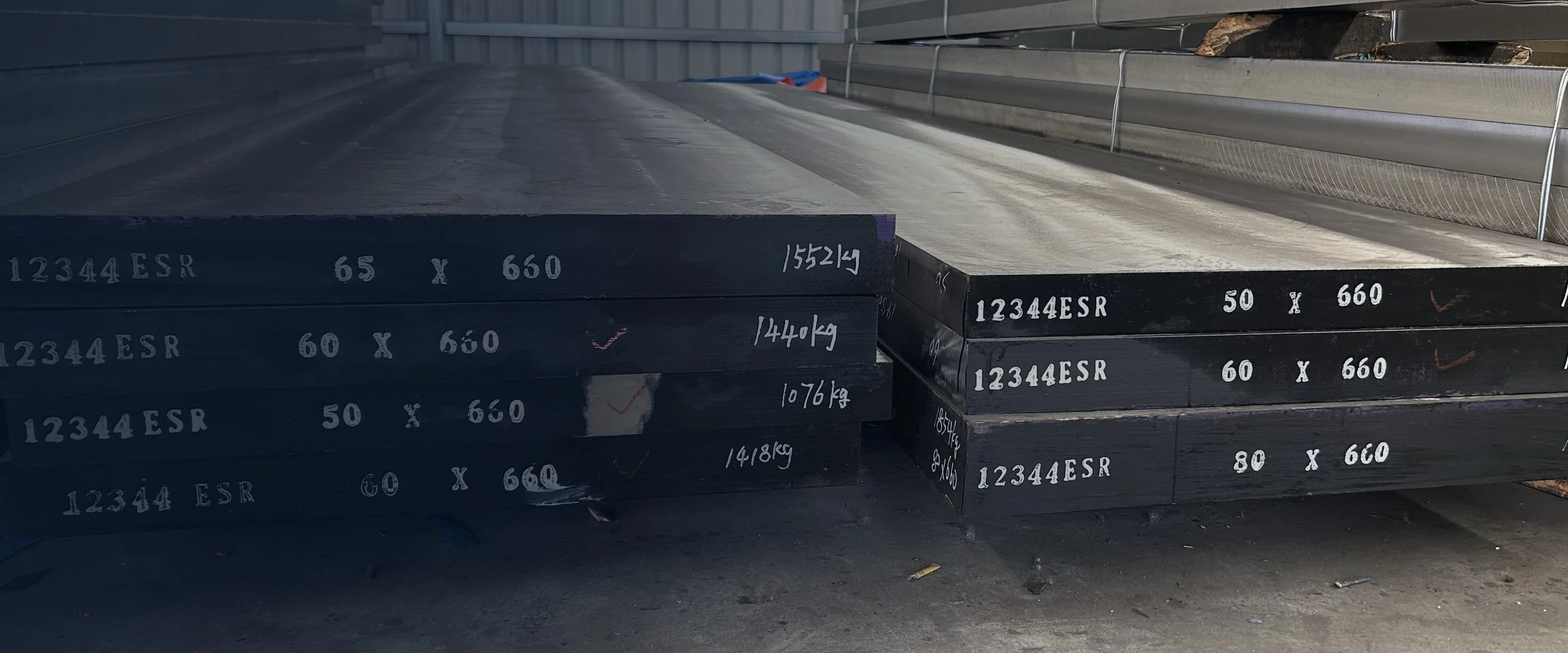
A Aobo Steel fornece aços D2 e H13 refundidos por eletroescória para compradores que necessitam de maior pureza, melhor isotropia e polimento espelhado confiável. Fornecemos em grandes quantidades, com materiais verificados antes do envio, e um pedido mínimo de 5 toneladas.
Consulte estoque e preço do ESR
Envie o grau, tamanho, quantidade e porto de destino. Respondemos com preço, prêmio ESR e prazo de entrega.
O minério de grau ESR custa cerca de 250 a 300 dólares por tonelada a mais do que o material convencional de forno elétrico. Esse valor adicional cobre a etapa de refino secundário, não a marca. Abaixo, detalhamos exatamente quando vale a pena pagar por essa etapa e quando o minério de grau padrão oferece a mesma funcionalidade.
O que a etapa de refusão realmente lhe proporciona
O aço ferramenta convencional apresenta inclusões não metálicas, como óxidos e sulfetos, além de segregação central em seções maiores. Essas inclusões são a origem de lascamento, trincas por fadiga e defeitos de polimento. A refusão por eletroescória passa o aço por uma segunda vez através de uma poça de escória reativa, o que remove o enxofre, dissolve as inclusões e reconstrói o lingote com uma estrutura uniforme e solidificada direcionalmente.
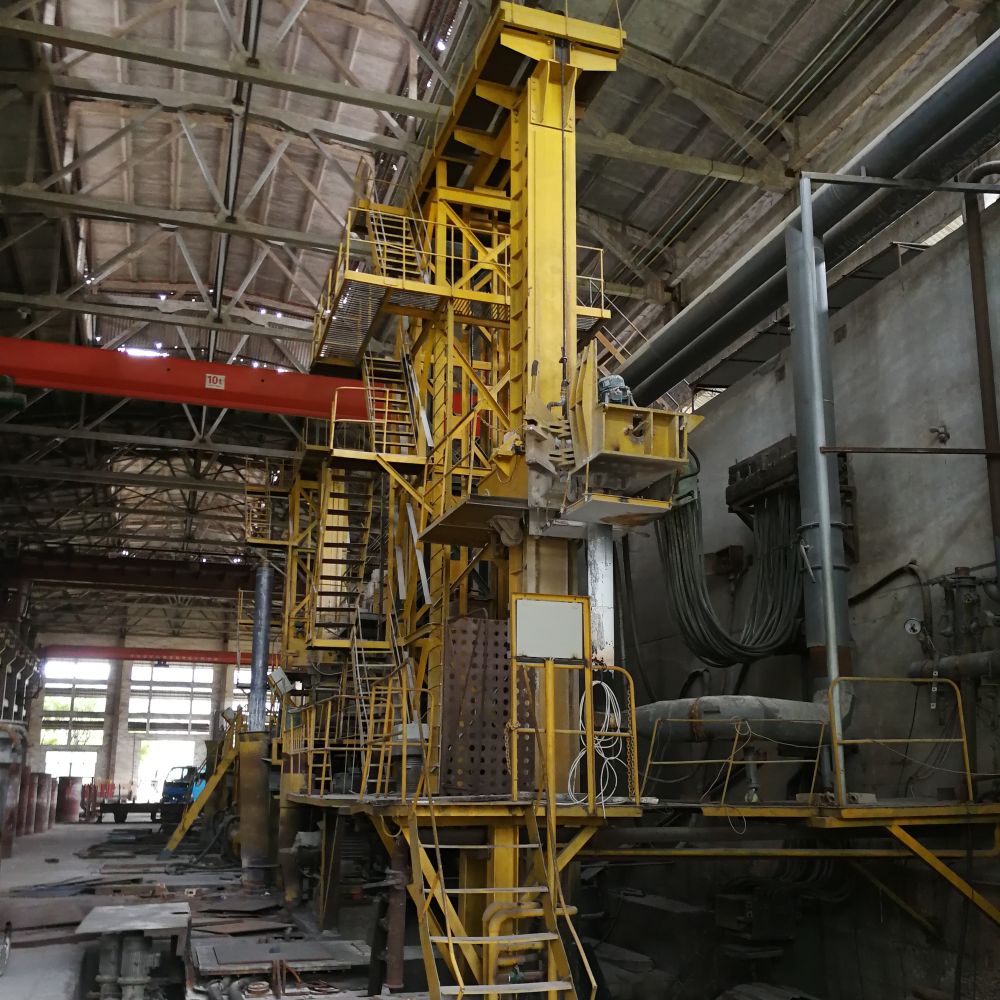
O resultado é um material mais limpo, denso e isotrópico, que mantém um acabamento espelhado e resiste à falha prematura da ferramenta. Para obter informações completas sobre a metalurgia, incluindo a comparação entre a ESR e a refusão por arco a vácuo, consulte [link para a documentação]. Como funciona a ESR e como ela se compara à VAR.
D2 ESR e H13 ESR
Estas são as duas classes de aço que fornecemos com mais frequência, após refusão por eletroescória. Ambas são entregues recozidas. Não realizamos o tratamento térmico final, portanto, a dureza de trabalho mostrada abaixo é aquela alcançada pelo seu profissional de tratamento térmico, e não a dureza de entrega.
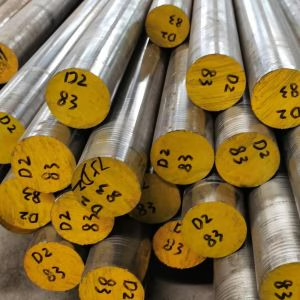
1.2379 e SKD11
D2 ESR
Ideal para aplicações onde ferramentas de trabalho a frio de alto impacto falham por lascamento ou fissuras por fadiga, como matrizes de corte, matrizes de estampagem e ferramentas de conformação a frio. A estrutura ESR mais limpa remove os pontos de inclusão que iniciam essas fissuras.
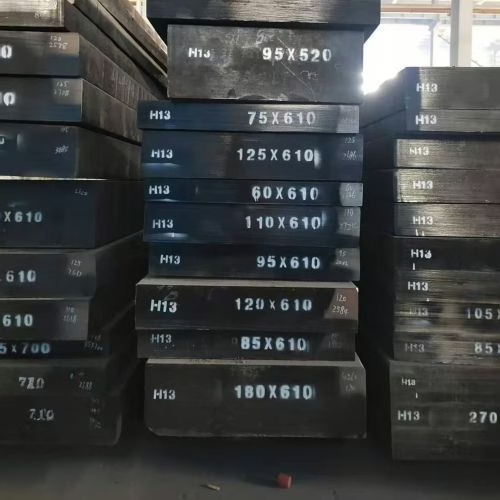
1.2344 e SKD61
H13 ESR
Melhor onde o ferramental sofre ciclos térmicos severos, como matrizes de fundição sob pressão, matrizes de forjamento a quente e ferramental de extrusão. A estrutura ESR não segregada melhora a tenacidade transversal e a resistência ao choque térmico, prolongando assim a vida útil da matriz. Para extrusão especificamente, o programa de fornecimento de 1.2344 refundido por ESR está descrito no Guia de fornecimento de 1.2344 ESR H13 para extrusão.
Qual o custo do aço ferramenta ESR em comparação com o aço convencional?
O custo adicional do aço ferramenta refundido por eletroescória é de aproximadamente 250 a 300 dólares por tonelada em comparação com o material obtido por fundição convencional em forno elétrico. O valor exato varia de acordo com a classe, a seção transversal e o volume do pedido, portanto, considere-o como uma faixa de preço e não como um valor fixo. O que você está pagando é pela etapa de refino secundário que remove o enxofre e as inclusões não metálicas. Essa única etapa proporciona maior pureza, isotropia e polibilidade, portanto, o valor do custo adicional depende inteiramente da necessidade dessas propriedades em sua aplicação.
Quando o ESR vale a pena e quando o aço convencional basta
Escolha ESR quando
- A ferramenta precisa de uma superfície espelhada ou de alto brilho, como peças ópticas e moldes de plástico transparente.
- O modo de falha é o lascamento ou fissuração por fadiga sob alto impacto.
- Você está usinando grandes seções transversais onde a segregação no centro representa um risco real.
- As propriedades transversais são importantes porque a ferramenta suporta tensão multidirecional.
O convencional basta quando
- A aplicação não requer polimento ou acabamento superficial.
- As seções são pequenas e a segregação não é uma preocupação.
- A produção é sensível aos custos, e a pureza padrão já apresenta bom desempenho em serviço.
- Você está em fase de prototipagem ou com volume reduzido, o que torna o preço premium difícil de justificar.