
Aço ferramenta D2 vs A2: Guia prático de seleção
Aço ferramenta D2 e Aço para ferramentas A2 Ambos são aços-ferramenta para trabalho a frio com endurecimento ao ar, mas resolvem problemas de ferramentas diferentes.
O aço D2 é a melhor escolha quando o desgaste abrasivo, a retenção de fio e a longa vida útil são os fatores mais importantes. Já o aço A2 é a melhor escolha quando a resistência a lascas, a resistência a trincas, a facilidade de usinagem e a menor dificuldade de fabricação são mais relevantes.
Aço ferramenta D2 e A2 disponível na Aobo Steel.
A Aobo Steel fornece aços ferramenta para trabalho a frio, endurecíveis ao ar, D2 e A2, para matrizes, punções, lâminas, ferramentas de conformação, calibradores e aplicações de ferramentas de precisão.
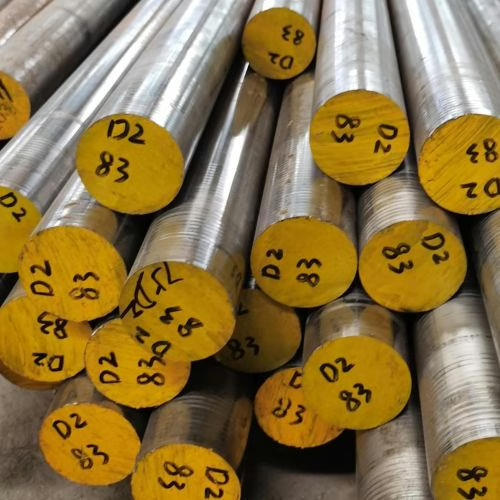
D2 | 1.2379 | SKD11
Aço ferramenta para trabalho a frio com alto teor de carbono e cromo, indicado para resistência ao desgaste abrasivo, retenção de fio, longas séries de produção e ferramentas sujeitas a desgaste intenso.
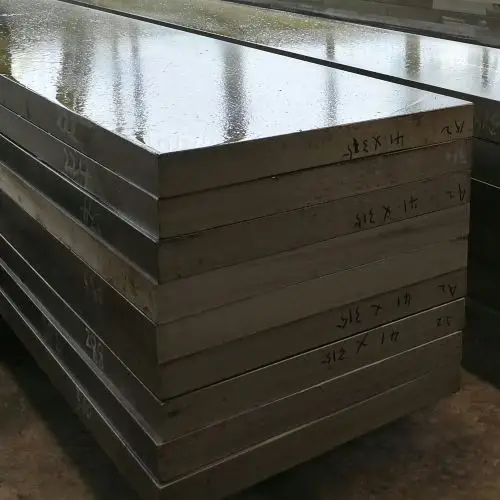
A2 | 1.2363 | SKD12
Aço ferramenta para trabalho a frio com têmpera ao ar, que proporciona maior tenacidade, facilita a usinagem, a retificação e a fabricação de ferramentas complexas ou sensíveis a lascas.
A diferença vem principalmente do volume de carboneto. O D2 tem maior teor de carbono e cromo, que formam carbonetos mais duros para melhorar a resistência ao desgaste. O A2 tem menos carbonetos grandes, portanto oferece melhor tenacidade e usinagem mais fácil.
Tabela de seleção rápida
| Requisitos de ferramental | Melhor escolha | Por que |
|---|---|---|
| resistência ao desgaste abrasivo | D2 | Maior volume de carboneto. |
| retenção de borda | D2 | Melhor resistência ao arredondamento das bordas. |
| Longos períodos de produção | D2 | Intervalo maior entre as afiações. |
| Resistência a lascas | A2 | Melhor resistência das bordas. |
| Resistência a rachaduras | A2 | Menos sensível a cantos vivos e concentração de tensão. |
| carga de impacto moderada | A2 | Mais seguro que o D2 sob carga interrompida. |
| Usinagem mais fácil | A2 | Menor interferência de carbonetos durante o corte. |
| Moagem mais fácil | A2 | Menor risco de dificuldade de retificação e danos à superfície. |
| Custo de fabricação reduzido | A2 | Tempo de usinagem e acabamento reduzido. |
| Vida útil máxima em serviço abrasivo | D2 | Melhor desempenho de desgaste a longo prazo. |
Comparação da composição química
| Elemento | Aço ferramenta D2 | Aço para ferramentas A2 |
|---|---|---|
| Carbono | 1,40% a 1,60% | 0,95% a 1,05% |
| Chromium | 11.00% a 13.50% | 4,75% a 5,50% |
| Molibdênio | 0,70% a 1,20% | 0,90% a 1,40% |
| Vanadium | 0,50% a 1,10% | 0,15% a 0,50% |
| Manganese | 0,20% a 0,60% | 0,40% a 1,00% |
| Silicon | 0,10% a 0,60% | 0,10% a 0,60% |
Graus equivalentes de aço ferramenta D2 e A2
| Padrão/Região | Aço ferramenta D2 | Aço para ferramentas A2 |
|---|---|---|
| AISI / ASTM | D2 | A2 |
| UNS | T30402 | T30102 |
| EN / ISO | X153CrMoV12 / X160CrMoV12-1 | X100CrMoV5 / X100CrMoV5-1 |
| DIN / W-Nr. | 1.2379 | 1.2363 |
| JIS | SKD11 | SKD12 |
| BS | BD2 | BA2 |
| AFNOR | Z160CDV12 / X160CrMoV12 | Z100CDV5 |
| GB | Cr12Mo1V1 | Cr5Mo1V |
| SS Suécia | 2310 | 2260 |
| UNI Itália | X155CrVMo12-1KU ou variantes similares listadas | X100CrMoV5-1KU |
O D2 é comumente associado ao 1.2379 / X153CrMoV12 / SKD11. O A2 é comumente associado ao 1.2363 / X100CrMoV5 / SKD12.
Graus equivalentes são úteis para compras e cotações, mas o usuário deve ainda confirmar a norma exata, a composição química, a condição de fornecimento e o requisito de tratamento térmico.
Tratamento de dureza e térmico
D2 e A2 podem atingir dureza de trabalho semelhante após o tratamento térmico, portanto o HRC isoladamente não deve ser usado para julgar o desempenho.
| Fator | Aço ferramenta D2 | Aço para ferramentas A2 |
|---|---|---|
| Dureza após têmpera | Aproximadamente 61 a 65 HRC | Aproximadamente 62 a 65 HRC |
| Dureza de trabalho usual | Aproximadamente 58 a 60 HRC | Aproximadamente 58 a 60 HRC |
| Faixa de desgaste mais alta | Aproximadamente 60 a 62 HRC | Possível em aplicações selecionadas |
| Gama focada na resistência | Aproximadamente 56 a 58 HRC | Aproximadamente 56 a 58 HRC |
| temperatura de austenitização | Geralmente em torno de 1850°F / 1010°C | Geralmente em torno de 1775 °F / 968 °C |
| Preocupação com a austenita retida | Mais alto | Inferior |
| Sensibilidade de moagem | Mais alto | Inferior |
| Estabilidade dimensional | Excelente com controle adequado. | Excelente e geralmente previsível. |
O D2 exige controle mais rigoroso durante a têmpera, o revenimento e a retificação devido ao maior teor de liga e ao risco de austenita retida.
O A2 é geralmente mais tolerante no tratamento térmico e no acabamento. Essa é uma das razões pelas quais é frequentemente usado para ferramentas com geometria mais complexa ou requisitos mais rigorosos de controle de fabricação.
Usinabilidade, retificação e custo de fabricação
A2 é mais fácil de fabricar até a ferramenta acabada. Isso importa quando a ferramenta tem perfis complexos, cantos internos vivos, seções finas ou requisitos frequentes de reafiamento.
| Fator de Processamento | Aço ferramenta D2 | Aço para ferramentas A2 |
|---|---|---|
| Usinabilidade em condição recozida | Inferior | Melhorar |
| Classificação típica de usinabilidade | Por volta de 45% | Por volta de 60% |
| Desgaste da ferramenta de corte | Mais alto | Inferior |
| Dificuldade de retificação | Alto | Moderado |
| Custo de reafiação | Mais alto | Inferior |
| Risco de queimaduras por atrito ou rachaduras | Mais alto | Menor, mas ainda requer controle. |
| Melhor uso econômico | Produção de abrasivos em longo prazo | Ferramentas para produção de curto a médio prazo ou ferramentas complexas |
O D2 pode justificar seu custo de processamento mais elevado quando o desgaste abrasivo é a principal causa de tempo de inatividade.
O aço A2 costuma ser mais econômico quando a ferramenta não precisa de resistência ao desgaste do nível D2, especialmente em produções de curto a médio prazo.
Seleção por Modo de Falha
| Modo de falha | Como se parece | Melhor escolha | Nota prática |
|---|---|---|---|
| desgaste abrasivo | Desgaste superficial, perda de nitidez das bordas, perda de tolerância | D2 | Motivo mais importante para escolher D2 |
| Arredondamento de bordas | A lâmina de corte perde gradualmente o fio. | D2 | D2 mantém a vantagem por mais tempo. |
| Retificação frequente | A ferramenta se desgasta muito rapidamente. | D2 | Útil para trabalhos abrasivos de longa duração. |
| Lascamento | Pequenas lascas se desprendem da borda. | A2 | D2 pode ser muito quebradiço. |
| Rachaduras | A ferramenta quebra nos cantos, furos ou seções finas. | A2 | Verificar geometria e concentração de tensão |
| Impacto moderado | Carregamento interrompido ou choque na borda | A2 | Impactos severos podem exigir aço da série S. |
| Dano de moagem | Rachaduras ou queimaduras após o acabamento | A2 | A2 é mais fácil de moer com segurança. |
| Deformação plástica | A ferramenta entorta, deforma-se ou perde a forma. | Verifique primeiro a dureza | O problema pode estar relacionado ao tratamento térmico ou ao suporte da ferramenta. |
Para deformação plástica, mudar de A2 para D2 nem sempre é a solução. Primeiro verifique a dureza, o tratamento térmico, o suporte de carga, o tamanho da seção e o projeto da ferramenta. Considere se a falha é devida a sobrecarga, folga da matriz inadequada ou suporte insuficiente antes de trocar o material.
Para ferramentas que falham por lascas, examine a geometria da aresta, o acabamento superficial e o carregamento por choque. Para ferramentas que apresentam desgaste rápido, confirme as condições de lubrificação e alinhamento, bem como a seleção do aço.
Quando D2 ou A2 não são as opções certas
| Situação | Evitar | Melhor direção |
|---|---|---|
| Choque severo ou agressão | D2 e às vezes A2 | S7 ou outros aços-ferramenta resistentes a choques |
| Serviço de trabalho a quente genuíno | D2 e A2 | H13, H11, ou outro aços para ferramentas de trabalho a quente |
| corte em alta velocidade | D2 e A2 | Aço rápido |
| desgaste abrasivo máximo necessário | A2 | Graus de desgaste D2 ou superiores para trabalho a frio |
| Ferramenta complexa com histórico de lascamento | D2 | A2 ou um nível mais difícil. |
| Espera-se reparos frequentes de soldagem | D2 | Mais aço soldável ou redesenho da ferramenta |
| É necessário polir o espelho. | D2 | O aço com menor teor de carbonetos pode ser polido melhor |
| Componente simples de baixa potência | D2 ou A2 podem ser excessivos. | O1, Aço 4140, ou aço de menor custo, pode ser suficiente. |
Escolha D2 para ferramentas sujeitas a desgaste.
O D2 é a opção mais adequada quando o desgaste abrasivo, a retenção de fio e uma vida útil mais longa são os principais requisitos.
Escolha A2 para ferramentas mais resistentes e fáceis de usar.
A liga A2 é a opção mais segura quando a resistência a lascas, a resistência a rachaduras, a facilidade de usinagem e a menor dificuldade de fabricação são mais importantes.
Precisa de aço ferramenta D2 ou A2 para ferramentas de trabalho a frio?
A Aobo Steel fornece aço ferramenta D2 e A2 para matrizes, punções, lâminas, ferramentas de conformação, calibradores e ferramentas de precisão. Compartilhe sua aplicação, dimensões, quantidade e tolerância para uma sugestão de fornecimento adequada.
E-mail: [email protected] · Tel. e WhatsApp: +86 180 6294 5370
Páginas relacionadas
Comparações D2: D2 vs M2 · D2 vs 4140 · D2 vs O1 · D2 vs DC53 · D2 vs D3 · D2 vs 440C · D2 vs S7
Páginas de referência: guia de tratamento térmico de aço para ferramentas · Tabela de sobremetal para usinagem de aço ferramenta
Famílias de séries: graus de aço ferramenta · Aços ferramenta da série D · Localizador de materiais de aço ferramenta
Faixas de composição, valores de dureza e dados de temperabilidade são valores típicos publicados para D2 / 1.2379 / SKD11 e A2 / 1.2363. Confirme a faixa exata no certificado do fabricante para o lote entregue.