
Propriedades do aço para ferramentas A2
O aço ferramenta A2 é um aço ferramenta para trabalho a frio com endurecimento ao ar, apresentando boa resistência ao desgaste, tenacidade média a boa, excelente estabilidade dimensional e dureza de trabalho comum em torno de 57–62 HRC após tratamento térmico.
O aço A2 é amplamente utilizado em punções, matrizes, ferramentas de conformação, lâminas de corte, matrizes de laminação de roscas, calibradores, ferramentas de precisão e componentes para trabalho a frio que exigem um equilíbrio prático entre resistência ao desgaste, tenacidade, usinabilidade e estabilidade ao tratamento térmico.
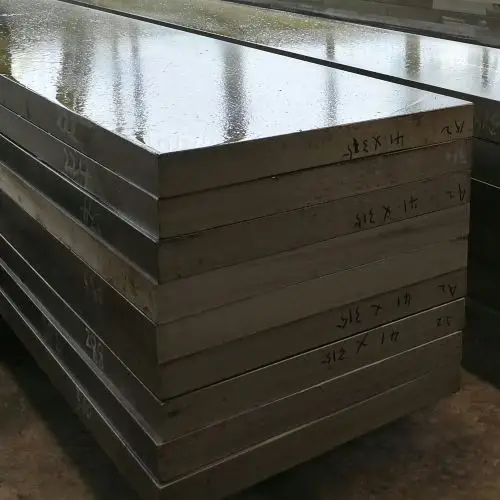
Suprimentos de aço Aobo Aço ferramenta para trabalho a frio A2 com têmpera ao ar Para matrizes, punções, lâminas, calibradores, ferramentas de conformação e aplicações de ferramentas de precisão.
Confirmado: A2 é a nota certa?
A Aobo Steel fornece aço A2 recozido, pronto para usinagem e tratamento térmico. Envie suas dimensões e quantidades, ou consulte as especificações completas do produto e a disponibilidade em estoque.
Resumo das propriedades do aço ferramenta A2
| Propriedade | Comportamento típico do aço ferramenta A2 | Significado prático |
|---|---|---|
| Tipo de aço | Aço ferramenta para trabalho a frio com têmpera ao ar | Utilizado para ferramentas de trabalho a frio de precisão |
| Principais equivalentes | 1.2363, SKD12, Cr5Mo1V, UNS T30102 | Útil para compras internacionais. |
| Dureza de trabalho típica | Aproximadamente 57–62 HRC | Depende da temperatura de têmpera e da aplicação. |
| Dureza após recozimento | Aproximadamente 201–229 HB | Adequado para usinagem antes do endurecimento. |
| Resistência ao desgaste | Bom | Melhor que O1 e aços da série S, inferiores a D2 |
| Robustez | De médio a bom | Melhor que D2, inferior a S7 |
| Estabilidade dimensional | Muito bom | Baixa movimentação durante o endurecimento ao ar |
| Usinabilidade | Aproximadamente 60% de aço carbono para ferramentas 1% de referência | Mais fácil de usinar do que o D2. |
| Resposta ao tratamento térmico | Endurecimento ao ar, revenimento duplo recomendado | Ajuda a reduzir a distorção e a fragilidade. |
| Resistência à corrosão | Não é inoxidável | Requer proteção contra ferrugem. |
| Principais aplicações | Punções, matrizes, ferramentas de conformação, lâminas de corte, calibradores | Utilizado em diversas aplicações de ferramentas para trabalho a frio. |
| Principal limitação | Não é aço rápido nem aço para trabalho a quente. | Não é adequado para matrizes de forjamento a quente ou ferramentas de corte de alta velocidade. |
Aços equivalentes ao aço ferramenta A2
| Padrão/Sistema | Grau equivalente |
|---|---|
| AISI / ASTM | A2 |
| UNS | T30102 |
| DIN / W-Nr. | 1.2363 |
| Nome DIN / EN | X100CrMoV5 |
| JIS | SKD12 |
| GB | Cr5Mo1V |
| BS | BA2 |
| AFNOR | Z100CDV5 |
| SS | 2260 |
Os usuários devem confirmar a composição química, as condições de entrega, os requisitos de dureza, os padrões de inspeção e o processo de tratamento térmico antes de fazer o pedido.
Composição química do aço ferramenta A2
O aço ferramenta A2 é um aço ferramenta para trabalho a frio, composto por liga de cromo, molibdênio e vanádio. Sua composição proporciona melhor temperabilidade e estabilidade dimensional do que os aços simples de têmpera em óleo, mantendo ao mesmo tempo melhor tenacidade e usinabilidade do que os aços com alto teor de carbono e cromo, como o D2.
| Elemento | Faixa típica |
|---|---|
| Carbono, C | 0,95–1,05% |
| Cromo, Cr | 4,75–5,50% |
| Molibdênio, Mo | 0,90–1,40% |
| Vanádio, V | 0,15–0,50% |
| Manganês, Mn | Até 1.00% |
| Silício, Si | Até 0,50% |
| Níquel, Ni | Até 0,30% |
O aço para ferramentas A2 não é aço inoxidável. Seu teor de cromo contribui para a temperabilidade e a resistência ao desgaste, mas não é alto o suficiente para proporcionar stainless resistência à corrosão. O A2 deve ser protegido contra ferrugem durante o armazenamento, a usinagem, o transporte e o uso.
Dureza do aço para ferramentas A2
O aço ferramenta A2 é normalmente fornecido em estado recozido, sendo posteriormente usinado, temperado e revenido até atingir a dureza de trabalho necessária. A dureza final depende do processo de tratamento térmico, da dimensão da seção transversal, da temperatura de revenimento e da aplicação da ferramenta.
| Condição | Dureza típica |
|---|---|
| Condição de recozimento | Aproximadamente 201–229 HB |
| dureza máxima após recozimento | Geralmente em torno de 235 HB, dependendo da especificação. |
| condição após têmpera | Aproximadamente 63–65 HRC |
| Dureza de trabalho comum | Aproximadamente 57–62 HRC |
| Alcance comum para muitas ferramentas de trabalho a frio. | Aproximadamente 58–60 HRC |
Uma dureza maior pode melhorar a resistência ao desgaste, mas também aumenta o risco de lascamento. Uma dureza menor pode melhorar a tenacidade, mas pode reduzir a vida útil da lâmina.
Para muitas punções, ferramentas de conformação, matrizes de corte, calibradores e componentes para trabalho a frio, o aço A2 é frequentemente utilizado com dureza de 58–60 HRC. Ferramentas de corte e ferramentas de aresta fina podem exigir uma faixa de dureza diferente, dependendo do material a ser processado e do risco de lascamento da aresta.
Resistência ao desgaste, tenacidade e estabilidade dimensional.
O A2 geralmente é escolhido porque oferece uma combinação equilibrada de wear resistance, toughness, and dimensional stability.
Boa resistência ao desgaste
O A2 geralmente oferece melhor resistência ao desgaste, maior endurecimento e melhor estabilidade dimensional do que o O1, mas não se compara ao D2 em desgaste abrasivo severo.
Resistência útil
O aço A2 possui melhor resistência que o D2 por conter menos carbonetos grandes, mas não é tão resistente quanto o S7 sob forte impacto ou quebra repentina.
Baixa distorção
Como o aço A2 endurece no ar, ele esfria mais lentamente do que os aços temperados em óleo ou água, ajudando a reduzir a tensão de têmpera e a distorção.
O aço A2 costuma ser a melhor escolha quando a ferramenta precisa resistir tanto ao desgaste quanto ao lascamento. Isso é comum em punções, ferramentas de corte, matrizes de conformação, lâminas de corte e ferramentas de precisão para trabalho a frio.
Propriedades mecânicas do aço ferramenta A2
As propriedades mecânicas do aço ferramenta A2 dependem fortemente das condições de fornecimento e do tratamento térmico. No estado recozido, o A2 é fornecido com uma dureza suficiente para usinagem. Após têmpera e revenido, sua resistência, dureza, resistência ao desgaste e desempenho como ferramenta aumentam significativamente.
do aço para ferramentas A2’s resistência à tracção and yield strength não são valores fixos. Dependem do nível de dureza, da temperatura de revenimento, do tamanho da seção, do método de ensaio e da condição de tratamento térmico.
| Condição | Referência de propriedades mecânicas | Nota prática |
|---|---|---|
| A2 recozido | Resistência à tração de aproximadamente 100 ksi / 710 MPa | Referência para condição de entrega suave |
| A2 recozido | Limite de escoamento de aproximadamente 50 ksi / 350 MPa | Não representa o desempenho de uma ferramenta temperada. |
| Aço A2 temperado e revenido | A resistência depende da dureza final e das condições de revenimento. | Confirme os dados sob as condições de tratamento térmico exigidas. |
| Cálculo de engenharia | Os dados de tração, limite de escoamento, impacto ou compressão devem corresponder ao estado real do tratamento térmico. | Não utilize valores genéricos sem condição. |
Para o projeto de ferramentas, dureza, tenacidade, resistência ao desgaste, resistência à compressão e estabilidade dimensional são geralmente mais importantes do que um único valor de resistência à tração ou ao escoamento.
Propriedades físicas e térmicas do aço ferramenta A2
As propriedades físicas e térmicas são úteis para o cálculo de peso, planejamento de tratamento térmico, ferramentas de precisão e como referência de engenharia. Os valores podem variar ligeiramente de acordo com a fonte de dados, a condição, a temperatura e a forma do produto.
| Propriedade | Valor de referência típico | Significado prático |
|---|---|---|
| Densidade | Aproximadamente 7,75–7,86 g/cm³ | Utilizado para cálculo de peso |
| Gravidade específica | Aproximadamente 7,87 | Referência geral para densidade de materiais |
| Módulo de elasticidade | Cerca de 190–207 GPa | Útil como referência para rigidez em engenharia. |
| Condutividade térmica | Aproximadamente 26 W/m·K perto de 95°C | Afeta a transferência de calor durante o serviço e o tratamento térmico. |
| Coeficiente de expansão térmica | Aproximadamente 10,6 µm/m·°C de 20 a 260°C | Importante para alterações dimensionais sob temperatura. |
| Calor específico | Aproximadamente 460 J/kg·°C | Referência para tratamento térmico e cálculo térmico |
| Comportamento magnético | Geralmente magnético | A2 é um aço ferramenta à base de ferro. |
| Resistência à corrosão | Não é inoxidável | Requer proteção contra ferrugem. |
O A2 geralmente é considerado dimensionalmente estável durante o tratamento térmico, mas isso não significa que ele tenha nenhuma variação dimensional. Ferramentas de precisão ainda devem prever retificação, lapidação ou acabamento após a têmpera quando tolerâncias apertadas forem exigidas.
Propriedades do aço ferramenta A2 recozido
O aço ferramenta A2 é geralmente fornecido em condição recozida para usinagem. Nesse estado, apresenta menor dureza, melhor usinabilidade e menor tensão interna do que o material temperado.
| Propriedade Recozida | Comportamento típico |
|---|---|
| Dureza | Aproximadamente 201–229 HB |
| Usinabilidade | Prático para fresagem, furação, torneamento e retificação antes do endurecimento. |
| Força | Inferior ao aço A2 temperado e revenido |
| Resistência ao desgaste | Não é a versão final do desempenho de trabalho. |
| Objetivo principal | Usinagem antes do tratamento térmico final |
As propriedades finais do aço ferramenta A2 são obtidas somente após têmpera e revenido adequados, e não em condição recozida.
Propriedades do aço ferramenta A2 tratado termicamente
Após o processo de têmpera e revenimento, o aço ferramenta A2 pode atingir alta dureza, boa resistência ao desgaste, tenacidade útil e excelente estabilidade dimensional.
| Propriedade tratada termicamente | Comportamento típico |
|---|---|
| dureza após têmpera | Aproximadamente 63–65 HRC |
| Dureza de trabalho comum | Aproximadamente 57–62 HRC |
| Resistência ao desgaste | Bom para ferramentas gerais de trabalho a frio. |
| Robustez | Melhor que D2, pior que S7 |
| Estabilidade dimensional | Muito bom em comparação com muitas outras classes de endurecimento em óleo. |
| Apresentação final | Depende da temperatura de têmpera, do controle do resfriamento, da temperatura de revenido e da dimensão da seção transversal. |
O aço A2 normalmente passa por um duplo revenido após o endurecimento. O duplo revenido ajuda a reduzir a fragilidade e a estabilizar a estrutura, especialmente quando a austenita retida pode sofrer transformação após o primeiro revenido.
Visão geral do tratamento térmico do aço ferramenta A2
O aço A2 deve ser tratado termicamente corretamente para atingir suas propriedades de trabalho finais. O processo básico inclui recozimento, alívio de tensões quando necessário, pré-aquecimento, austenitização, têmpera ao ar e revenido.
| Etapa | Prática típica | Finalidade |
|---|---|---|
| Recozimento | Aqueça lentamente até cerca de 845–899 °C e, em seguida, deixe esfriar no forno. | Amaciar o aço para usinagem |
| Alívio do estresse | Geralmente em torno de 649–677°C após usinagem de desbaste | Reduzir o estresse de usinagem |
| Pré-aquecimento | Aproximadamente 650°C | Reduza o choque térmico antes do endurecimento. |
| Austenitização | Aproximadamente 950–970°C | Prepare o aço para têmpera. |
| Resfriamento | Resfrie em ar parado ou ar controlado. | Endurecer com menor risco de distorção |
| Têmpera | Recomenda-se têmpera dupla | Reduzir a fragilidade e estabilizar a estrutura. |
O A2 deve ser protegido contra oxidação e descarbonetação durante o tratamento térmico. Um forno a vácuo, forno de atmosfera controlada, banho de sal neutro ou envoltório de folha de aço inoxidável podem ser usados, dependendo da instalação de tratamento térmico.
Esta página oferece apenas uma visão geral do processo. Um guia específico sobre tratamento térmico A2 deve abordar com mais detalhes o tempo de permanência, a proteção do forno, as curvas de revenimento, o comportamento da variação dimensional e a seleção da dureza.
Usinabilidade do aço ferramenta A2
O aço ferramenta A2 apresenta usinabilidade relativamente boa entre os aços ferramenta para trabalho a frio com têmpera ao ar. No estado recozido, sua usinabilidade é geralmente classificada em torno de 60%, comparada a um aço ferramenta carbono 1% de referência com valor 100.
A ferramenta A2 geralmente é mais fácil de usinar do que a D2. A A2 costuma ser escolhida quando a ferramenta precisa de melhor usinabilidade do que a D2, mas com maior resistência ao desgaste e estabilidade dimensional do que a O1.
| Processo | Ponto prático para aço ferramenta A2 |
|---|---|
| Usinagem | As máquinas A2 funcionam razoavelmente bem em condição recozida. |
| Usinagem bruta | Geralmente feito antes do endurecimento |
| Alívio do estresse | Útil após usinagem pesada e desbastada. |
| Moagem | Deve ser controlado após o endurecimento para evitar superaquecimento e fissuras por retificação. |
| EDM | Pode ser usado em A2 endurecido, mas a camada refundida e a zona afetada pelo calor devem ser removidas para ferramentas mais exigentes. |
| Soldagem | Possível, mas sensível a fissuras; pré-aquecimento e alívio de tensões pós-soldagem podem ser necessários. |
A rota de fabricação mais segura é usinar o A2 em condição recozida, controlar a tensão após o desbaste pesado e realizar o endurecimento e revenimento finais após a conclusão da maior parte do trabalho de conformação.
Caso sejam necessários processos de eletroerosão (EDM), retificação pesada ou soldagem após o endurecimento, a condição da superfície e as tensões residuais devem ser cuidadosamente controladas, pois podem afetar a vida útil da ferramenta.
Aplicações comuns do aço ferramenta A2
A liga A2 é utilizada em ferramentas de trabalho a frio, onde a ferramenta deve resistir ao desgaste, manter sua forma e evitar falhas por fragilidade. É especialmente útil quando a liga O1 apresenta baixa estabilidade ou resistência ao desgaste, enquanto a liga D2 pode ser muito frágil ou difícil de usinar.
| Aplicativo | Por que A2 é usado? |
|---|---|
| Matrizes de corte | Boa resistência ao desgaste com menor risco de lascamento do que o D2. |
| Matrizes para perfuração e corte | Resistência útil e estabilidade de borda |
| Ferramentas de conformação e dobra | Boa estabilidade dimensional após tratamento térmico. |
| Desenho morre | Resistência ao desgaste e tenacidade equilibradas |
| Matrizes de cunhagem e estampagem | Preserva os detalhes com distorção controlada. |
| Punções | Indicado quando tanto o desgaste quanto o lascamento são preocupações relevantes. |
| Lâminas de corte e facas de corte longitudinal | Adequado para trabalhos de corte leves a médios. |
| Matrizes de laminação de roscas | Boa resistência à compressão e ao desgaste. |
| Calibradores e ferramentas de medição | Movimentos baixos favorecem a precisão. |
| Componentes de moldes de plástico | Pode ser usinado em estado recozido e endurecido posteriormente. |
| Componentes da máquina | Utilizado onde são necessárias resistência ao desgaste e durabilidade. |
Ferramentas para trabalho a frio
O A2 é comumente aplicado em operações de conformação, corte a frio e extrusão a frio. É adequado para produção de médio a longo prazo, onde as ferramentas devem suportar altas cargas de compressão mantendo a integridade dimensional após o tratamento térmico. Usos típicos incluem matrizes de conformação, matrizes de estampagem profunda, matrizes de cunhagem, thread-rolling dies, e heavy-duty punches.
Ferramentas de corte e cisalhamento
O A2 apresenta desempenho confiável em lâminas de tesoura, facas de corte longitudinal, e ferramentas de aparamento, particularmente ao cortar seções finas a médias. É frequentemente selecionado para seções de ferramentas maiores, onde a distorção durante o tratamento térmico deve ser controlada.
Ferramentas de Precisão
Para medidores, ferramentas mestras, e componentes usinados de precisão, o A2 proporciona geometria estável após a têmpera. É usado onde a correção pós-tratamento térmico é limitada ou impraticável.
Quando escolher o aço ferramenta A2
O A2 deve ser selecionado com base no’s da ferramenta modo de falha dominante, e não simplesmente nas propriedades do material.
É a opção preferida quando:
- A falha da ferramenta é causada por fissuras, distorções ou instabilidade dimensional, e não apenas por desgaste abrasivo.
- O tratamento térmico introduz risco devido à geometria complexa, variação section thickness, ou tolerâncias apertadas
- Os materiais existentes falham nos extremos, como aços de baixa liga que se desgastam muito rapidamente ou aços de alta liga que se tornam muito quebradiços.
Nessas situações, o A2 proporciona uma faixa de operação estável, equilibrando a resistência ao desgaste e a confiabilidade estrutural, reduzindo assim o risco de fratura e a variabilidade do tratamento térmico.
Para seções de ferramentas maiores, o A2 oferece um comportamento de endurecimento mais previsível sem exigir têmpera agressiva, reduzindo o risco de tensões internas e propriedades não uniformes.
Também é adequado quando surface treatments são exigidos, pois mantém um núcleo resistente enquanto permite que o desempenho superficial seja aprimorado para aplicações específicas.
Limitações e aplicações inadequadas do aço ferramenta A2
O aço A2 não é adequado quando a aplicação excede o alcance de desempenho dos aços-ferramenta para trabalho a frio ou quando o mecanismo de falha predominante não se enquadra no projeto equilibrado do A2.
Limitações térmicas
O A2 não consegue manter a dureza sob temperaturas elevadas sustentadas. Não deve ser usado em hot work tooling ou high-speed cutting ambientes onde a resistência ao amolecimento é crítica.
Condições de impacto severo
O A2 não é projetado para heavy shock loading. Em aplicações dominadas por impactos repetidos ou fraturas súbitas, sua tenacidade é insuficiente em comparação com graus resistentes ao choque.
Desgaste abrasivo extremo
Quando a vida útil da ferramenta é governada principalmente por abrasão, o A2 torna-se ineficiente. Aços com maior teor de liga e maior carbide volume proporcionam resistência ao desgaste mais estável nessas condições.
Limitações de Seção Grande
Embora o A2 seja temperado ao ar, sua temperabilidade não é ilimitada. Em seções transversaismuito grandes, o resfriamento ao ar parado pode ser insuficiente para atingir dureza uniforme em todo o núcleo.
Risco de austenita retida
Se o tratamento térmico não for devidamente controlado, austenita retida pode permanecer na estrutura. Sob tensão de serviço, isso pode se transformar, levando a variações dimensionais localizadas ou microfissuras.
Sensibilidade ao desgaste adesivo
Em aplicações propensas a irritante, o A2 pode sofrer transferência de material e danos superficiais, limitando sua eficácia em certas operações de conformação ou estampagem.
Aço ferramenta A2 vs D2, O1, S7 e DC53
A2 é frequentemente comparado com D2, O1, S7 e DC53 porque essas classes de aço também são usadas em ferramentas para trabalho a frio.
| Comparação | Escolha A2 quando | Escolha a outra série quando |
|---|---|---|
| A2 vs D2 | Você precisa de maior resistência e usinagem mais fácil. | Escolha D2 quando o desgaste abrasivo for o principal problema. |
| A2 vs O1 | Você precisa de melhor temperabilidade e estabilidade dimensional. | Escolha O1 para ferramentas mais simples e de menor custo. |
| A2 vs S7 | Você precisa de uma resistência ao desgaste melhor do que a do aço de choque. | Escolha o S7 quando o principal problema for o impacto forte. |
| A2 vs DC53 | Você precisa de um aço de endurecimento ao ar padrão e amplamente disponível. | Escolha o DC53 quando for necessário um desempenho aprimorado do tipo D2. |
A2 é mais resistente e fácil de usinar do que D2, mais estável dimensionalmente e resistente ao desgaste do que O1, e mais resistente ao desgaste, mas menos resistente a impactos do que S7.
Em comparação com o DC53, o A2 continua sendo um aço para trabalho a frio com endurecimento ao ar padrão e amplamente disponível, enquanto o DC53 pode ser selecionado quando for necessário um desempenho aprimorado do tipo D2.
O papel do A2 torna-se claro quando a seleção é baseada no modo de falha em vez de propriedades isoladas do material.
Aço ferramenta A2 vs D2
A2 é selecionada quando a estabilidade da aresta, a resistência a lascas e a confiabilidade estrutural são mais importantes do que a máxima resistência ao desgaste. D2 apresenta melhor desempenho em ambientes altamente abrasivos, mas é mais frágil sob impacto ou carga irregular. Veja detalhes. Aço ferramenta D2 vs A2 – Guia de comparação e seleção.
Aço ferramenta A2 vs O1
O A2 é preferido quando a distorção durante o tratamento térmico deve ser minimizada. Diferentemente do O1, que requer têmpera em óleo, o A2 proporciona controle dimensional mais previsível. Ver detalhes Guia de seleção de aço ferramenta A2 vs O1.
Aço ferramenta A2 vs S7
O A2 é usado quando a resistência ao desgaste ainda é necessária sob carregamento moderado. Quando a falha é causada por choque pesado ou impactos repetidos, S7 é a escolha mais confiável devido à sua tenacidade superior. Ver detalhes Guia de seleção de aço ferramenta A2 vs S7.
Need A2 tool steel for cold-work tooling?
A Aobo Steel fornece barras redondas e planas de aço ferramenta A2 para matrizes, punções, ferramentas de conformação, lâminas de corte, calibradores e ferramentas de precisão. Compartilhe sua especificação, tamanho, quantidade, dureza desejada e aplicação para uma sugestão de fornecimento adequada.
E-mail: [email protected] · Tel. e WhatsApp: +86 180 6294 5370
Páginas relacionadas
Páginas do A2: Dureza A2 · Composição do A2 · Usinagem do A2 · A2 heat treatment
Comparações do A2: A2 vs H13 · A2 vs 4140
Páginas de referência: O que é aço para ferramentas · Selection by application · Como verificamos a qualidade do aço para ferramentas
Famílias de séries: Aços para ferramentas de trabalho a frio · graus de aço ferramenta · Localizador de materiais de aço ferramenta
Os valores são figuras típicas publicadas para A2 / 1.2363 / SKD12 apenas para referência. Confirme a composição exata, a condição e a norma de inspeção com o certificado do fabricante para o lote entregue.