
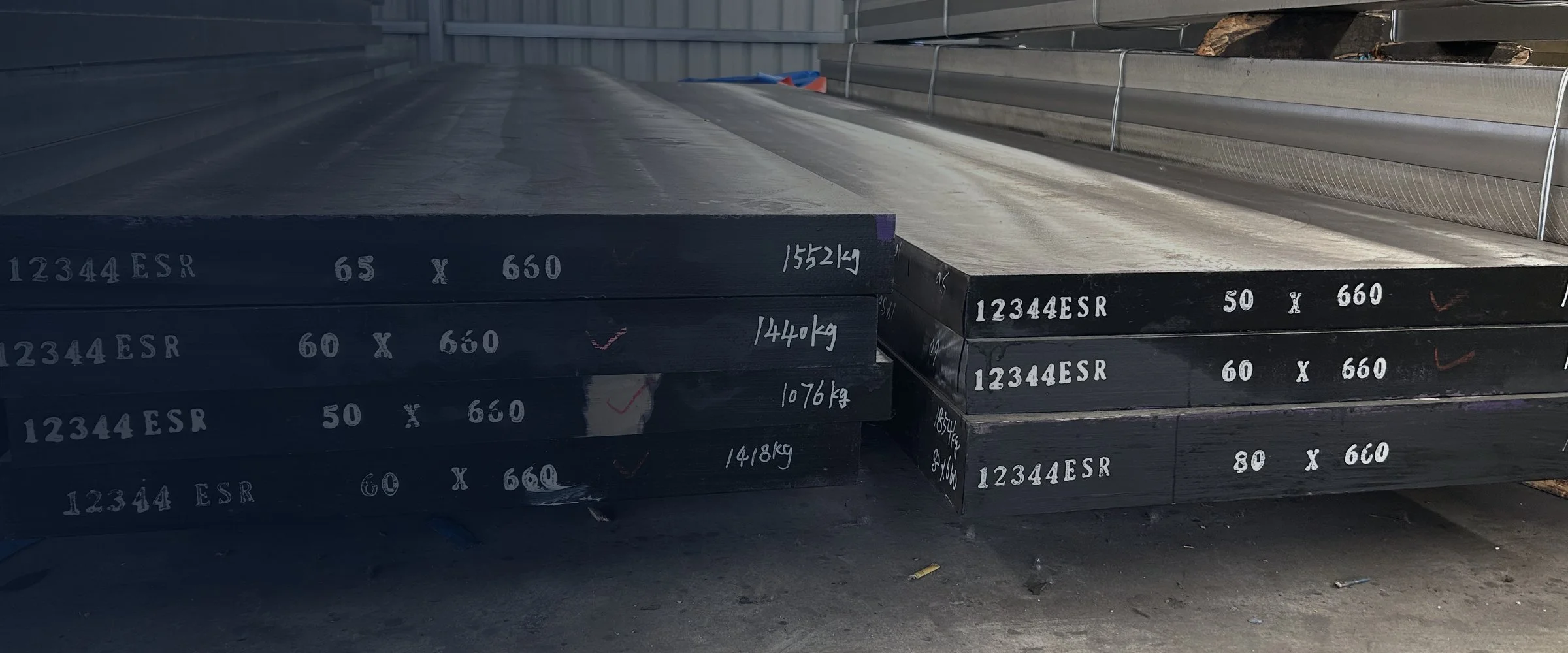
Home > Tool Steel Catalog > ESR Tool Steel
ESR Tool Steel for Longer Die Life and Mirror Finish
Aobo Steel supplies electroslag remelted D2 and H13 for buyers who need higher purity, better isotropy, and reliable mirror polishing. We supply in bulk, with materials verified before shipment, and an MOQ of 5 tons.
Check ESR stock & price
Send the grade, size, quantity and destination port. We reply with price, ESR premium, and lead time.
ESR grades cost around 250-300 USD per ton more than conventional electric-furnace material. The premium covers the secondary refining step, not branding. Below, we set out exactly when that step is worth paying for and when standard grade does the same job.
What the remelting step actually buys you
Conventional tool steel carries non-metallic inclusions such as oxides and sulfides, along with center segregation in larger sections. These are the origins of chipping, fatigue cracking, and polishing defects. Electroslag remelting passes the steel through a reactive slag pool a second time, which removes sulfur, dissolves inclusions, and rebuilds the ingot with a uniform, directionally solidified structure.
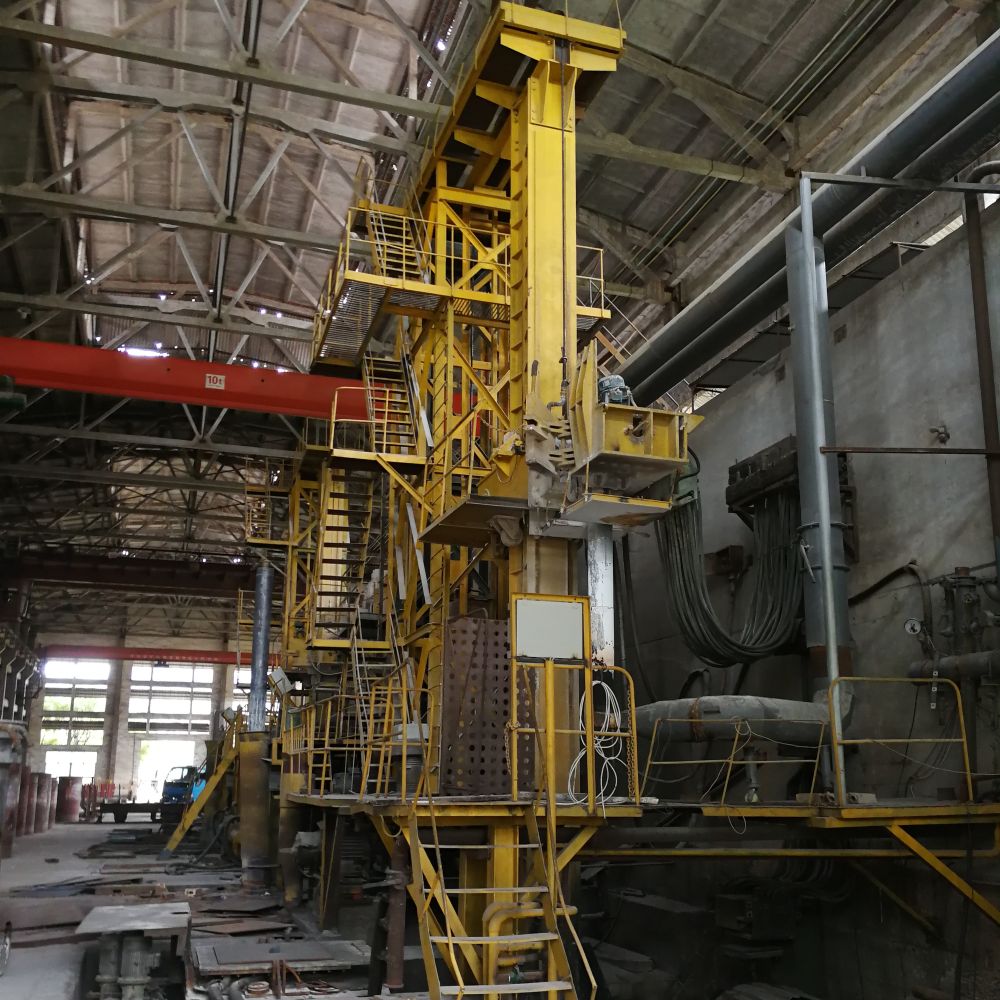
The result is a cleaner, denser, more isotropic material that holds a mirror finish and resists premature tool failure. If you want the full metallurgy, including how ESR compares with vacuum arc remelting, see how ESR works and how it compares to VAR.
D2 ESR and H13 ESR
These are the two grades we most commonly supply in electroslag remelted quality. Both are delivered in an annealed condition. We do not supply final heat treatment, so the working hardness shown below is what your heat treater achieves, not the delivery hardness.
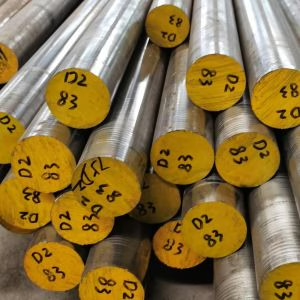
1.2379 and SKD11
D2 ESR
Best where high-impact cold work tooling fails by chipping or fatigue cracking, such as blanking dies, stamping dies, and cold forming tools. The cleaner ESR structure removes the inclusion sites that start those cracks.
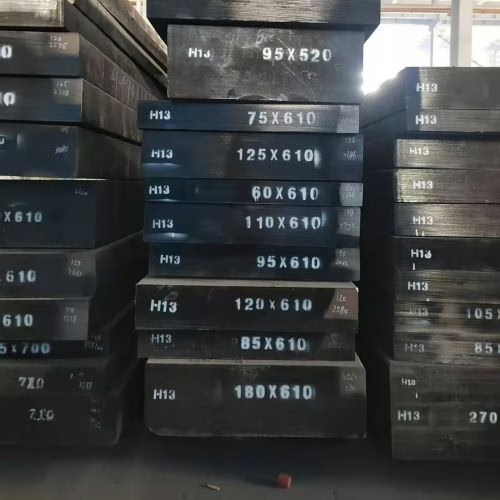
1.2344 and SKD61
H13 ESR
Best where tooling experiences severe thermal cycling, such as die-casting dies, hot-forging dies, and extrusion tooling. The non-segregated ESR structure enhances transverse toughness and thermal shock resistance, thereby extending die life. For extrusion specifically, the ESR-melted 1.2344 supply program is set out in the 1.2344 ESR H13 extrusion supply guide.
What does the ESR tool steel cost over conventional steel
The premium for electroslag remelted tool steel is roughly 250-300 USD per ton over conventional electric-furnace material. The exact figure moves with grade, section size, and order volume, so treat it as a planning range rather than a fixed price. What you are paying for is the secondary refining step that strips out sulfur and non-metallic inclusions. That single step delivers the higher purity, isotropy, and polishability, so the value of the premium depends entirely on whether your application needs those properties.
When ESR is worth it, and when conventional is enough
Choose ESR when
- The tool needs a mirror or high gloss surface, such as optical parts and transparent plastic molds.
- The failure mode is chipping or fatigue cracking under high impact.
- You are machining large cross sections where center segregation is a real risk.
- Transverse properties matter because the tool carries multidirectional stress.
Conventional is enough when
- The application has no polishing or surface finish requirement.
- Sections are small, and segregation is not a concern.
- The run is cost-sensitive, and standard purity already performs well in service.
- You are prototyping or running short volume where the premium is hard to justify.