
Aplicações do aço inoxidável 440C
O AISI 440C é um aço inoxidável martensítico com alto teor de carbono e cromo, utilizado em componentes que devem combinar alta dureza, forte resistência ao desgaste e resistência moderada à corrosão. As aplicações típicas incluem componentes de rolamentos, peças de válvulas, instrumentos de precisão, ferramentas de corte e componentes selecionados de moldes expostos a condições de serviço abrasivas ou levemente corrosivas.
Seu papel é especializado, e não geral. O aço 440C é escolhido quando a aplicação não pode contar com aços inoxidáveis comuns em termos de dureza e resistência ao desgaste, mas também não pode usar aços-ferramenta convencionais porque é necessário algum grau de resistência à corrosão.
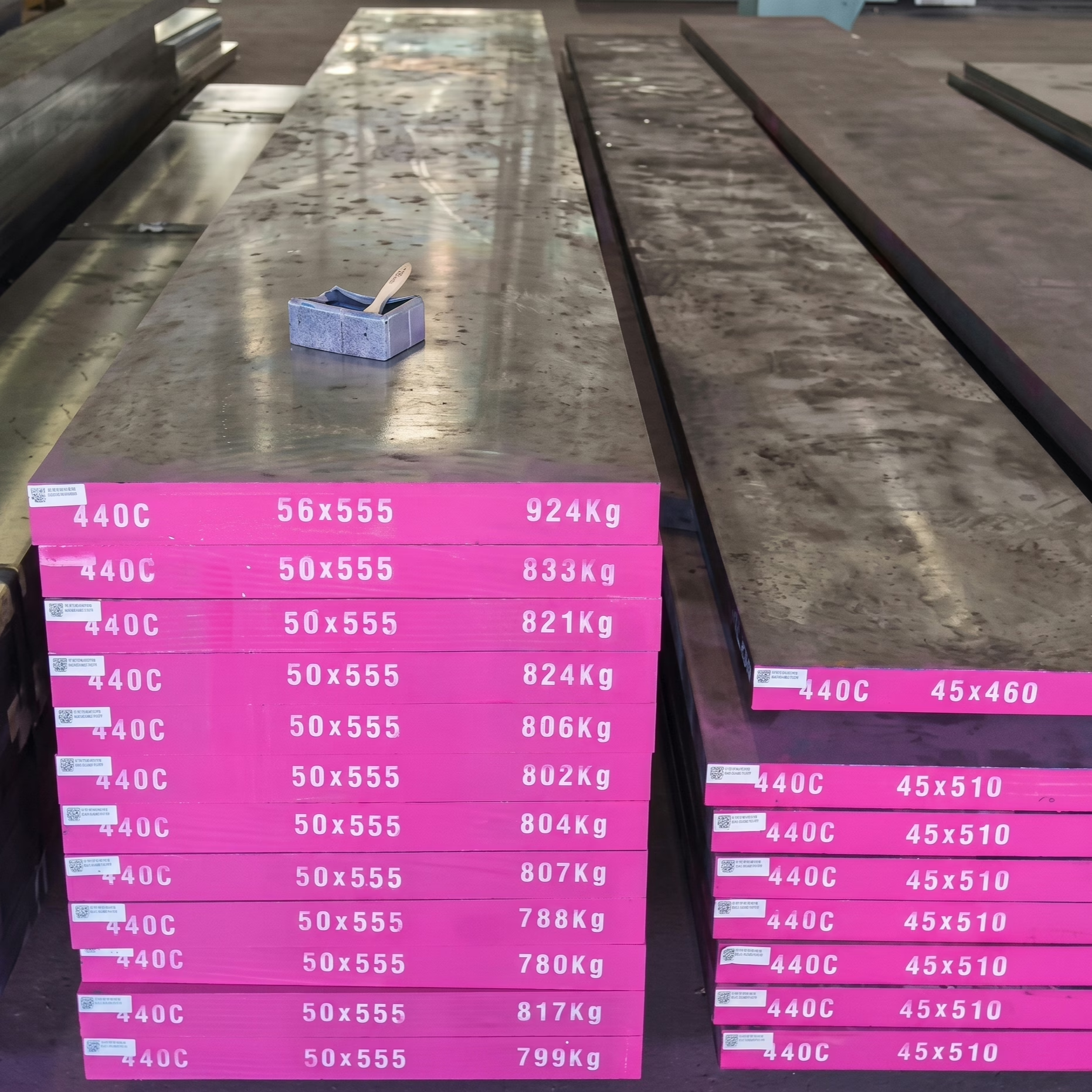
Precisa de aço 440C em barra ou chapa recozida?
A Aobo Steel mantém em estoque aço inoxidável 440C com especificações industriais, pronto para usinagem e tratamento térmico. Envie suas medidas para um orçamento ou consulte nossa linha de produtos padrão.
Por que o 440C é usado nessas aplicações?
O valor funcional do aço 440C deriva de sua resposta ao tratamento térmico. No estado temperado e revenido, ele pode atingir 60 HRC e desenvolver uma estrutura martensítica com alta fração volumétrica de carbonetos ricos em cromo. Isso confere ao aço forte resistência ao desgaste abrasivo, à deformação superficial e à degradação das arestas de corte.
Seu teor de cromo também permite que ele opere em ambientes industriais úmidos, orgânicos ou levemente agressivos, sem a rápida deterioração da superfície normalmente observada em aços-ferramenta convencionais não inoxidáveis.
Por essa razão, o aço 440C é utilizado quando as condições de serviço exigem tanto durabilidade superficial quanto um nível básico de resistência à corrosão. Ele não é escolhido por sua ampla versatilidade, mas sim por preencher uma pequena lacuna de desempenho entre os aços inoxidáveis mais macios e os aços resistentes ao desgaste não inoxidáveis.
Principais categorias de aplicação do aço inoxidável 440C
1. Rolamentos e componentes de rolamentos
O aço 440C é amplamente utilizado em esferas, pistas e componentes rolantes de rolamentos expostos à umidade, produtos químicos leves ou condições corrosivas intermitentes. Nesse campo, seu valor reside em permitir que os componentes de contato por rolamento mantenham a dureza em ambientes onde os aços para rolamentos padrão sofreriam corrosão.
Essa é a principal distinção em relação ao aço 52100 e outros aços para rolamentos similares. Esses materiais oferecem excelente desempenho à fadiga em condições limpas e lubrificadas, mas são vulneráveis à corrosão. A maioria dos aços inoxidáveis, por outro lado, não atinge dureza suficiente para aplicações exigentes de contato por rolamento. Portanto, o aço 440C é utilizado quando se precisa de resistência à corrosão sem sacrificar a alta dureza superficial necessária para a operação de rolamentos.
Em serviço, a matriz endurecida reduz os danos adesivos sob contato repetido, enquanto a presença de carbonetos melhora a resistência ao desgaste abrasivo. Isso ajuda a manter a precisão dimensional e a integridade da superfície ao longo de longos ciclos.
Suas limitações são igualmente importantes. A presença de carbonetos primários relativamente grandes pode reduzir a vida útil à fadiga em comparação com aços para rolamentos mais limpos e com menor teor de carbono, e também pode contribuir para vibrações ou ruídos em sistemas de precisão exigentes. Consequentemente, o aço 440C não é a escolha preferencial quando o objetivo principal é a máxima resistência à fadiga ou um funcionamento excepcionalmente silencioso. Ele é selecionado quando a exposição à corrosão é o fator determinante na escolha do material.
2. Facas, talheres e instrumentos cirúrgicos
O aço 440C é amplamente utilizado em facas, instrumentos cirúrgicos e ferramentas de corte de precisão, onde a retenção do fio é mais importante do que a resistência ao impacto. Sua alta dureza permite que as arestas de corte resistam à deformação plástica e ao desgaste abrasivo durante o uso repetido.
Por isso, o aço 440C continua sendo uma escolha comum em aplicações que exigem desempenho de corte estável durante longos ciclos de operação. O material consegue manter o fio de corte por mais tempo do que os aços inoxidáveis martensíticos com menor teor de carbono, especialmente em ambientes com umidade, materiais orgânicos ou esterilização.
Sua limitação reside no fato de que a mesma dureza que garante a retenção do fio também reduz a tenacidade. Sob impacto, torção, desalinhamento ou suporte inadequado do fio, o aço inoxidável 440C é mais suscetível a lascas ou fraturas localizadas do que os aços inoxidáveis mais resistentes. Além disso, é mais difícil de usinar e dar acabamento do que as alternativas com menor teor de carbono.
Por essa razão, o aço 440C é mais adequado para serviços de corte controlado, onde o principal modo de falha é o desgaste da aresta. Quando a resistência a impactos, a flexibilidade ou a resistência a lascas na aresta são mais importantes do que a capacidade de manter o fio por mais tempo, aços com menor teor de carbono, como o 410 ou o 420, costumam ser mais práticos.
3. Válvulas Industriais e Componentes de Máquinas
O aço 440C é frequentemente utilizado em sedes de válvulas, hastes de válvulas, peças de bombas, bicos de pulverização, buchas e elementos de máquinas similares que operam sob contato deslizante, erosão por fluidos ou fricção repetida em condições levemente corrosivas. Nessas aplicações, ele é selecionado para preservar a integridade da superfície e a estabilidade dimensional sob desgaste mecânico a longo prazo.
Para componentes de válvulas, isso significa maior resistência a danos na superfície de vedação e menor deformação sob contato repetido. Em bombas, bicos e buchas de desgaste, ajuda a resistir a partículas abrasivas e fluidos em movimento que removem gradualmente material de ligas mais macias. Em buchas e outras peças de máquinas sujeitas a atrito, mantém uma geometria estável que, de outra forma, degradaria rapidamente aços inoxidáveis menos resistentes ao desgaste.
Sua principal desvantagem nessa categoria é a dificuldade de processamento. O aço é mais difícil de usinar, aumenta o desgaste das ferramentas de corte e torna-se menos econômico para geometrias de peças complexas. Sua baixa tenacidade também o torna inadequado para componentes expostos a impactos ou choques mecânicos severos, e sua baixa soldabilidade restringe o uso em conjuntos fabricados.
Assim sendo, o aço inoxidável 440C não é utilizado como um padrão industrial amplo. Ele é escolhido para componentes onde o desgaste, o contato deslizante ou a erosão determinam a vida útil, e onde a resistência à corrosão é necessária apenas em um nível moderado.
4. Componentes de moldes plásticos e ferramentas para trabalho a frio
O aço 440C é utilizado seletivamente em insertos de moldes e em certas aplicações de ferramentas de trabalho a frio, onde tanto a resistência ao desgaste quanto à corrosão devem ser consideradas simultaneamente. Normalmente, não é utilizado em estruturas de moldes completas, mas sim em áreas localizadas que sofrem contato abrasivo, são expostas a subprodutos corrosivos ou apresentam perda de qualidade superficial ao longo do tempo.
No processamento de plásticos, isso pode incluir insertos expostos a polímeros reforçados com carga, umidade ou gases de moldagem que atacam gradualmente aços menos resistentes à corrosão. Nesses casos, o aço 440C ajuda a manter a precisão dimensional e o acabamento superficial ao longo de longos períodos de produção.
Em aplicações de trabalho a frio, também pode ser útil em situações onde ocorre contato deslizante repetido em ambientes que penalizariam os aços-ferramenta comuns de alto carbono por meio de danos relacionados à corrosão.
Seu uso permanece limitado pela usinabilidade e tenacidade. Cavidades complexas são mais difíceis de processar, o custo de produção aumenta e o aço é menos tolerante a tensões localizadas ou cargas sem suporte do que aços-ferramenta mais resistentes. Por esse motivo, o 440C é normalmente aplicado apenas onde a necessidade combinada de resistência ao desgaste e à corrosão é claramente estabelecida. Se a corrosão não fizer parte do mecanismo de falha, os aços-ferramenta convencionais para trabalho a frio geralmente são mais econômicos. Se a resistência à corrosão for a principal preocupação e o desgaste for secundário, aços inoxidáveis ou aços para moldes mais macios costumam ser mais fáceis de processar e mais tolerantes em serviço.
Onde o aço inoxidável 440C não é a melhor escolha
O aço 440C não é adequado para serviços sujeitos a alto impacto ou choques. Sua alta dureza e tenacidade limitada o tornam vulnerável a lascas ou fraturas quando o componente precisa absorver cargas repentinas, tensões de flexão ou impactos repetidos.
Também não é uma boa opção para montagens soldadas ou com estruturas complexas. O alto teor de carbono e a temperabilidade do aço criam uma forte tendência à formação de fissuras na zona afetada pelo calor e em suas proximidades, tornando a soldagem pouco confiável para a maioria das aplicações práticas.
Sua resistência à corrosão também é limitada. Embora apresente bom desempenho em ambientes amenos, não é indicado para exposição a cloretos fortes, ácidos agressivos, sulfeto de hidrogênio ou outros meios corrosivos severos. Nessas condições, os aços inoxidáveis austeníticos ou duplex são geralmente mais confiáveis.
O aço 440C também não é adequado para serviço contínuo em altas temperaturas. Sua dureza e estabilidade estrutural diminuem com a exposição prolongada ao calor, portanto, não deve ser usado em aplicações que exigem desempenho confiável em altas temperaturas de operação.
Em sistemas de ultraprecisão ou baixo ruído, sua estrutura de carboneto também pode se tornar uma desvantagem. Quando se exige funcionamento extremamente suave, vibração muito baixa ou refinamento máximo do contato de rolamento, materiais mais limpos e estruturalmente uniformes são frequentemente preferidos.
Por fim, o aço 440C não é ideal quando a flexibilidade de fabricação é um requisito fundamental. Sua usinabilidade limitada, soldabilidade deficiente e sensibilidade ao processamento o tornam menos prático para peças com geometria complexa ou para processos de produção que dependem de facilidade de conformação e fabricação.
Guia de seleção de aço inoxidável 440C
O aço inoxidável 440C deve ser visto como um material para solucionar problemas específicos, e não como um aço inoxidável padrão. Ele é mais eficaz quando a aplicação exige uma superfície dura e resistente ao desgaste, juntamente com resistência moderada à corrosão, e quando o componente pode ser projetado levando em consideração sua tenacidade limitada, soldabilidade deficiente e dificuldade de processamento.
Se a principal exigência for máxima vida útil à fadiga, alta resistência ao impacto, resistência agressiva à corrosão, estabilidade a altas temperaturas ou facilidade de fabricação, outro material geralmente será uma escolha melhor. Mas quando a resistência ao desgaste e uma resistência moderada à corrosão precisam ser alcançadas na mesma peça, o aço 440C continua sendo uma opção altamente eficaz.
Precisa de aço inoxidável 440C para peças resistentes ao desgaste?
Envie sua especificação, tamanho, quantidade, condição da superfície e aplicação. A Aobo Steel pode fornecer barras e chapas de aço inoxidável 440C recozido para usinagem, tratamento térmico, rolamentos, válvulas, ferramentas de corte e peças de desgaste de precisão.