
Guia de Tratamento Térmico do Aço Ferramenta S1
O aço ferramenta S1 (1.2550, SKS41) é endurecido por pré-aquecimento a cerca de 650 °C (1200 °F), austenitização a 900 °C a 955 °C (1650 °F a 1750 °F), têmpera em óleo a 50 °C a 70 °C e revenimento imediato enquanto a peça ainda está quente. A dureza após a têmpera varia de 57 a 59 HRC, e um revenimento duplo entre 205 °C e 315 °C (400 °F e 600 °F) proporciona a alta tenacidade e resistência ao choque pelas quais o S1 é valorizado. Peças usinadas grosseiramente ou trabalhadas a frio devem ser submetidas a alívio de tensões antes do endurecimento.
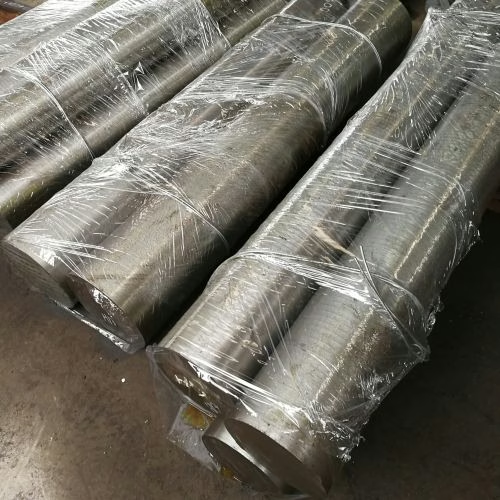
A Aobo Steel fornece aço ferramenta S1 (1.2550, SKS41) para aplicações resistentes a impactos. Envie-nos as dimensões, a quantidade, a condição e a aplicação desejadas para receber um orçamento.
Alívio do estresse
O alívio de tensões prepara os componentes S1 após usinagem de desbaste ou trabalho a frio, reduzindo o risco de distorção e fissuras durante o endurecimento. As tensões internas resultantes da usinagem, se não forem retidas, podem causar distorções microestruturais ou dimensionais severas quando a peça atinge a temperatura de endurecimento.
- Temperatura de aquecimento: Aqueça uniformemente a uma temperatura entre 650°C e 675°C (1200°F e 1250°F).
- Tempo de imersão: 1 hora por cada 25 mm (1 polegada) de espessura, com um mínimo de 1 hora.
- Resfriamento: Resfriamento lento por ar.
Pré-aquecimento
Para evitar choque térmico e deformação excessiva, as peças frias S1 nunca devem ser colocadas diretamente em um forno já na temperatura de austenitização.
- Temperatura de aquecimento: Aumente lentamente a temperatura para cerca de 650°C (1200°F).
- Deixe de molho: Mantenha pressionado até que a seção transversal esteja aquecida uniformemente.
Para peças com geometria complexa ou grandes variações na seção transversal, o pré-aquecimento é crucial. Ele sincroniza o aumento de temperatura entre o núcleo e a superfície durante o aquecimento final, o que reduz a tensão térmica e evita fissuras.
Austenitização (endurecimento)
A austenitização é a etapa de endurecimento do núcleo. O aquecimento transforma a estrutura em austenita e dissolve os carbonetos na matriz. A temperatura de austenitização para S1 não deve ser nem muito alta nem muito baixa.
- Temperatura de aquecimento: 900°C a 955°C (1650°F a 1750°F).
- Tempo de espera: De 15 a 45 minutos, ajustado de acordo com a espessura da seção, para que toda a seção transversal endureça por completo.
- Atmosfera: Como o S1 apresenta apenas resistência moderada à descarbonetação, recomenda-se o aquecimento em atmosfera neutra controlada, vácuo ou banho de sal neutro para evitar a oxidação superficial e a perda de carbono.
Têmpera
O aço S1 é um aço de têmpera em óleo. A têmpera em água é ocasionalmente utilizada para seções grandes ou simples, mas a têmpera em óleo é preferida devido à sua melhor tenacidade e menor risco de fissuração.
- Meio de resfriamento: Óleo de têmpera pré-aquecido e em circulação.
- Procedimento: Resfrie rapidamente até que a peça atinja uma temperatura entre 50°C e 70°C (120°F e 160°F), momento em que ainda estará morna.
Nunca deixe a peça esfriar até a temperatura ambiente antes do revenimento. A estrutura após a têmpera apresenta alta tensão interna, e o revenimento tardio torna a condição S1 altamente propensa à fratura frágil espontânea.
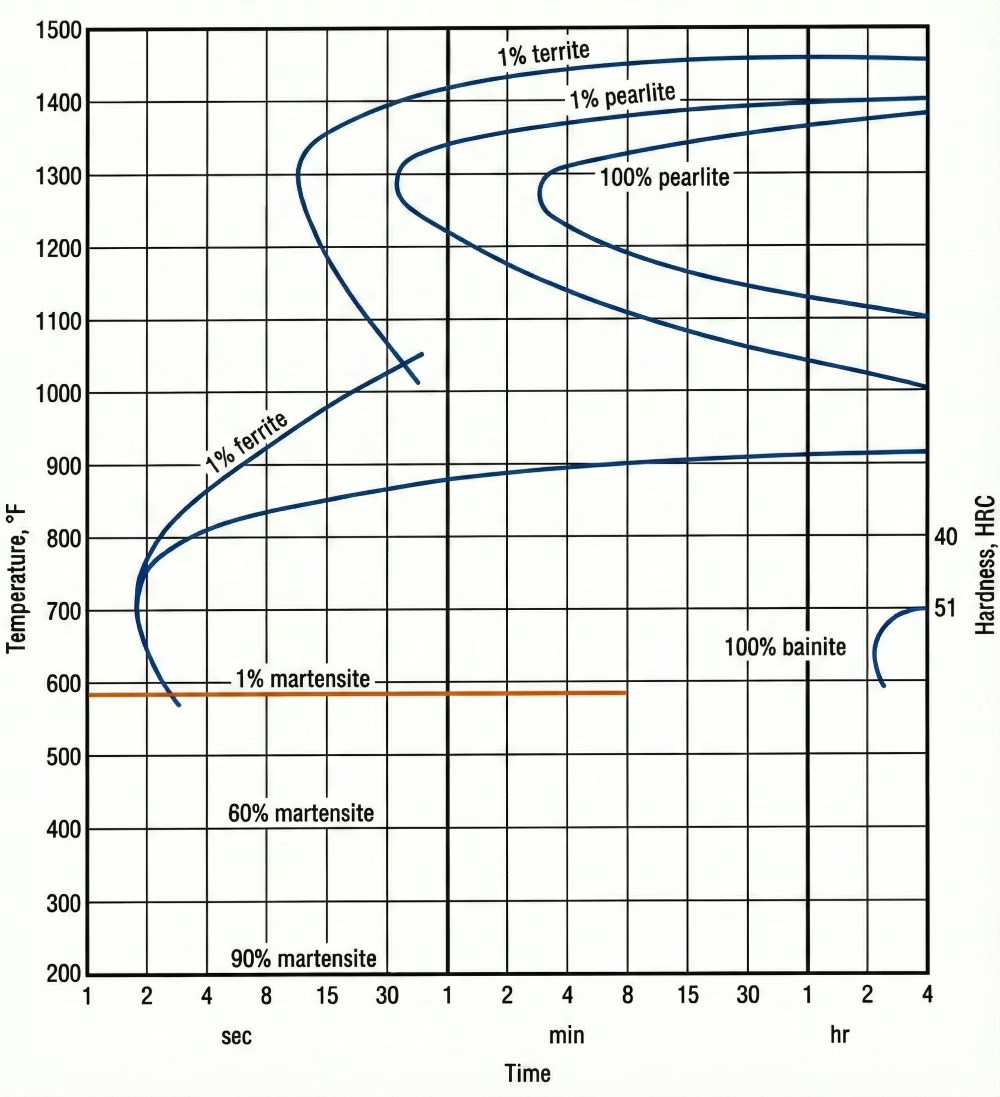
Revenimento
Temper immediately after quenching to restore toughness and ductility. Tempering converts the as-quenched structure to tempered martensite, and the temperature is set by the hardness required.
- Tempo de imersão: Pelo menos 2 horas por cada 25 mm (1 polegada) de espessura da seção.
- têmpera secundária: Recomenda-se um segundo revenimento para remover a austenita retida instável, melhorar a resistência ao escoamento e as propriedades de impacto, e reduzir a probabilidade de distorção ou fissuração posteriores em serviço.
- Resfriamento: Resfrie até a temperatura ambiente entre o primeiro e o segundo aquecimento.
Dureza aproximada após têmpera em óleo de 900°C a 955°C (1650°F a 1750°F):
| Temperatura de revenimento | Dureza Aproximada (HRC) |
|---|---|
| Como temperado | 57 a 59 |
| 150°C (300°F) | 56 a 58 |
| 205°C (400°F) | 55 a 57 |
| 260°C (500°F) | 54 a 56 |
| 315°C (600°F) | 52 a 55 |
| 370°C (700°F) | 50 a 53 |
| 425°C (800°F) | 48 a 50 |
| 540°C (1000°F) | 40 a 45 |
Para máxima resistência, como em cinzéis e punções de alta resistência, o aço S1 geralmente é temperado entre 205 °C e 315 °C (400 °F e 600 °F). Temperaturas de têmpera mais altas podem ser usadas para condições de serviço mais quentes, mas a dureza diminui significativamente.
Problemas comuns em tratamentos térmicos e suas soluções
Resfriamento de rachaduras
Duas causas predominam. A primeira é o revenimento tardio, em que a peça permanece à temperatura ambiente após a têmpera por tempo suficiente para que a tensão exceda a resistência do material. A segunda é a concentração de tensão em cantos vivos, marcas de estampagem ou superfícies usinadas de forma grosseira. O revenimento deve ser imediato, transferindo a peça para o forno de revenimento enquanto ela ainda apresentar calor residual entre 50 °C e 70 °C. Nas fases de projeto e usinagem, utilize cantos arredondados em junções críticas e mantenha as superfícies com um alto grau de acabamento.
Baixa dureza
As causas comuns são a descarbonetação superficial devido a uma atmosfera de austenitização inadequada, temperatura ou tempo de austenitização insuficientes e têmpera deficiente causada por óleo muito quente ou com agitação inadequada.
Deformação
A deformação geralmente resulta de choque térmico causado por aquecimento muito rápido ou da liberação de tensões residuais de usinagem durante o aquecimento. Pré-aqueça a 650 °C antes da têmpera, alivie as tensões em peças com usinagem grosseira antes do resfriamento brusco e apoie peças longas ou complexas para evitar deformações.
Camada macia descarbonizada
Uma camada superficial macia se forma quando o oxigênio ou a umidade no forno reagem com o carbono da superfície e o removem como monóxido de carbono ou dióxido de carbono. Uma verificação rápida é passar uma lima sobre a superfície; se ela riscar facilmente, há uma camada macia presente. Para evitar isso, use um forno a vácuo ou uma atmosfera de gás inerte (nitrogênio ou argônio) para excluir o oxigênio, calibre os banhos de sal regularmente para mantê-los neutros e deixe uma margem de retificação suficiente para que a camada descarbonetada possa ser removida após o tratamento térmico.
Precisa de aço ferramenta S1 para aplicações resistentes a impactos?
O aço ferramenta S1 (1.2550, SKS41) é utilizado onde são necessárias alta tenacidade e resistência a impactos. Envie-nos as dimensões, a quantidade, as condições e a aplicação desejadas para recebermos um orçamento.