
propiedades del acero para herramientas A2
El acero para herramientas A2 es un acero para herramientas de trabajo en frío, endurecible al aire, con buena resistencia al desgaste, tenacidad media a buena, excelente estabilidad dimensional y una dureza de trabajo común de alrededor de 57–62 HRC después del tratamiento térmico.
El acero A2 se utiliza ampliamente para punzones, matrices, herramientas de conformado, cuchillas de corte, matrices de laminado de roscas, calibres, herramientas de precisión y componentes de trabajo en frío que requieren un equilibrio práctico entre resistencia al desgaste, tenacidad, maquinabilidad y estabilidad al tratamiento térmico.
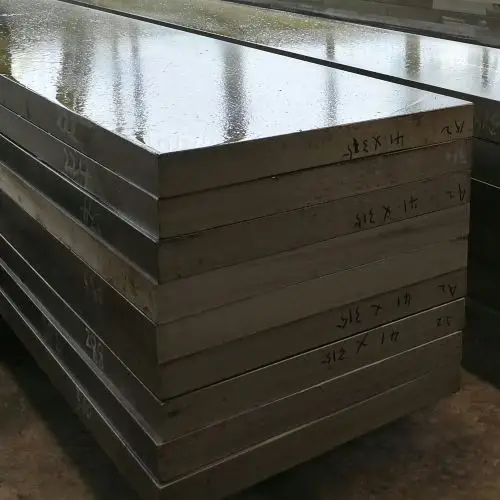
Suministros de acero Aobo Acero para herramientas de trabajo en frío A2, endurecible al aire. Para matrices, punzones, cuchillas, calibres, herramientas de conformado y aplicaciones de herramientas de precisión.
¿A2 es la calificación correcta?
Aobo Steel suministra acero A2 recocido, listo para mecanizado y tratamiento térmico. Indíquenos las medidas y la cantidad, o consulte las especificaciones completas del producto y la disponibilidad en stock.
Resumen de las propiedades del acero para herramientas A2
| Propiedad | Comportamiento típico del acero para herramientas A2 | Significado práctico |
|---|---|---|
| Tipo de acero | Acero para herramientas de trabajo en frío endurecible al aire | Se utiliza para herramientas de precisión para trabajos en frío. |
| Equivalentes principales | 1.2363, SKD12, Cr5Mo1V, UNS T30102 | Útil para el abastecimiento internacional |
| dureza de trabajo típica | Aproximadamente 57–62 HRC | Depende de la temperatura de templado y la aplicación. |
| dureza recocida | Aproximadamente 201–229 HB | Adecuado para mecanizado antes del endurecimiento. |
| Resistencia al desgaste | Bien | Mejor que O1 y aceros de la serie S, inferiores a D2 |
| Tenacidad | De medio a bueno | Mejor que D2, inferior que S7 |
| Estabilidad dimensional | Muy bien | Movimiento mínimo durante el endurecimiento por aire |
| maquinabilidad | Aproximadamente 60% de la base de acero para herramientas al carbono 1% | Más fácil de mecanizar que el D2 |
| respuesta al tratamiento térmico | Se recomienda el endurecimiento al aire y el doble templado. | Ayuda a reducir la deformación y la fragilidad. |
| Resistencia a la corrosión | No es de acero inoxidable. | Requiere protección contra el óxido. |
| Aplicaciones principales | Punzones, matrices, herramientas de conformado, cuchillas de corte, calibres | Se utiliza para muchas aplicaciones de herramientas de trabajo en frío. |
| Limitación principal | No es un acero para trabajo en caliente ni de alta velocidad. | No apto para matrices de forja en caliente ni herramientas de corte de alta velocidad. |
Grados equivalentes al acero para herramientas A2
| Estándar / Sistema | Grado equivalente |
|---|---|
| AISI / ASTM | A2 |
| UNS | T30102 |
| DIN / N.º W. | 1.2363 |
| Nombre DIN/EN | X100CrMoV5 |
| JIS | SKD12 |
| Gran Bretaña | Cr5Mo1V |
| Licenciatura | BA2 |
| AFNOR | Z100CDV5 |
| SS | 2260 |
Los usuarios deben confirmar la composición química, las condiciones de entrega, los requisitos de dureza, el estándar de inspección y el método de tratamiento térmico antes de realizar el pedido.
Composición química del acero para herramientas A2
El acero para herramientas A2 es una aleación de cromo, molibdeno y vanadio para trabajo en frío. Su composición proporciona mayor templabilidad y estabilidad dimensional que los aceros templados al aceite, a la vez que mantiene mayor tenacidad y maquinabilidad que los aceros con alto contenido de carbono y cromo, como el D2.
| Elemento | Rango típico |
|---|---|
| Carbono, C | 0.95–1.05% |
| Cromo, Cr | 4.75–5.50% |
| Molibdeno, Mo | 0.90–1.40% |
| Vanadio, V | 0.15–0.50% |
| Manganeso, Mn | Hasta 1.00% |
| Silicio, Si | Hasta 0,50% |
| Níquel, Ni | Hasta 0,30% |
El acero para herramientas A2 no es acero inoxidable. Su contenido de cromo favorece la templabilidad y la resistencia al desgaste, pero no es lo suficientemente alto para proporcionar stainless resistencia a la corrosión. El A2 debe protegerse contra la oxidación durante el almacenamiento, el mecanizado, el transporte y el servicio.
dureza del acero para herramientas A2
El acero para herramientas A2 se suministra normalmente recocido, luego se mecaniza, se endurece y se templa hasta alcanzar la dureza de trabajo requerida. La dureza final depende del proceso de tratamiento térmico, el tamaño de la sección, la temperatura de templado y la aplicación de la herramienta.
| Condición | Dureza típica |
|---|---|
| Condición recocida | Aproximadamente 201–229 HB |
| dureza máxima recocida | A menudo alrededor de 235 HB, dependiendo de las especificaciones. |
| Estado de temple | Aproximadamente 63–65 HRC |
| dureza de trabajo común | Aproximadamente 57–62 HRC |
| Rango común para muchas herramientas de trabajo en frío | Aproximadamente 58–60 HRC |
Una mayor dureza puede mejorar la resistencia al desgaste, pero también aumenta el riesgo de astillamiento. Una menor dureza puede mejorar la tenacidad, pero puede reducir la vida útil del filo.
Para muchos punzones, herramientas de conformado, matrices de recorte, calibres y componentes de trabajo en frío, se suele utilizar acero A2 con una dureza de 58 a 60 HRC. Las herramientas de corte y las herramientas de filo delgado pueden requerir un rango de dureza diferente según el material que se procese y el riesgo de astillamiento del filo.
Resistencia al desgaste, tenacidad y estabilidad dimensional.
El A2 se elige generalmente porque ofrece una combinación equilibrada de wear resistance, toughness, and dimensional stability.
Buena resistencia al desgaste
Por lo general, el acero A2 proporciona una mejor resistencia al desgaste, un endurecimiento más profundo y una mejor estabilidad dimensional que el O1, pero no iguala al D2 en desgaste abrasivo severo.
Resistencia útil
El acero A2 tiene mayor tenacidad que el D2 porque contiene menos carburos grandes, pero no es tan resistente como el S7 ante impactos fuertes o roturas repentinas.
Baja distorsión
Debido a que el acero A2 se endurece al aire, se enfría más lentamente que los aceros templados en aceite o en agua, lo que ayuda a reducir la tensión y la deformación durante el templado.
El acero A2 suele ser la mejor opción cuando la herramienta debe resistir tanto el desgaste como el astillamiento. Esto es común en punzones, herramientas de recorte, matrices de conformado, cuchillas de corte y herramientas de precisión para trabajo en frío.
Propiedades mecánicas del acero para herramientas A2
Las propiedades mecánicas del acero para herramientas A2 dependen en gran medida de su estado de suministro y del tratamiento térmico. En estado recocido, el A2 se suministra lo suficientemente blando para el mecanizado. Tras el endurecimiento y el revenido, su resistencia, dureza, resistencia al desgaste y rendimiento como herramienta aumentan significativamente.
del acero para herramientas A2 tensile strength and yield strength no son valores fijos. Dependen del nivel de dureza, la temperatura de revenido, el tamaño de la sección, el método de ensayo y la condición del tratamiento térmico.
| Condición | Referencia de propiedades mecánicas | Nota práctica |
|---|---|---|
| A2 recocido | Resistencia a la tracción de aproximadamente 100 ksi / 710 MPa | Referencia para condiciones de entrega suave |
| A2 recocido | Límite elástico de aproximadamente 50 ksi / 350 MPa | No representativo del rendimiento de la herramienta endurecida. |
| A2 endurecido y templado | La resistencia depende de la dureza final y del estado de revenido. | Confirmar los datos bajo las condiciones de tratamiento térmico requeridas. |
| Cálculos de ingeniería | Los datos de tracción, límite elástico, impacto o compresión deben coincidir con el estado real tratado térmicamente. | No utilice valores genéricos sin condición |
Para el diseño de herramientas, la dureza, la tenacidad, la resistencia al desgaste, la resistencia a la compresión y la estabilidad dimensional suelen ser más importantes que un único valor de resistencia a la tracción o de límite elástico.
Propiedades físicas y térmicas del acero para herramientas A2
Las propiedades físicas y térmicas son útiles para el cálculo de pesos, la planificación de tratamientos térmicos, la fabricación de herramientas de precisión y como referencia en ingeniería. Los valores pueden variar ligeramente según la fuente de datos, las condiciones, la temperatura y la forma del producto.
| Propiedad | Valor de referencia típico | Significado práctico |
|---|---|---|
| Densidad | Aproximadamente 7,75–7,86 g/cm³ | Se utiliza para el cálculo del peso. |
| Peso específico | Aproximadamente 7,87 | Referencia general para la densidad del material |
| Módulo de elasticidad | Aproximadamente 190–207 GPa | Útil como referencia para la rigidez en ingeniería. |
| Conductividad térmica | Aproximadamente 26 W/m·K cerca de 95 °C. | Afecta a la transferencia de calor durante el servicio y el tratamiento térmico. |
| Coeficiente de dilatación térmica | Aproximadamente 10,6 µm/m·°C de 20 a 260 °C. | Importante para el cambio dimensional bajo temperatura |
| calor específico | Aproximadamente 460 J/kg·°C | Referencia sobre tratamiento térmico y cálculo térmico |
| comportamiento magnético | Generalmente magnético | El A2 es un acero para herramientas a base de hierro. |
| Resistencia a la corrosión | No es de acero inoxidable. | Requiere protección contra el óxido. |
El A2 se considera generalmente dimensionalmente estable durante el tratamiento térmico, pero eso no significa que tenga ningún cambio dimensional. Las herramientas de precisión aún deben permitir rectificado, lapeado o acabado después del temple cuando se requieren tolerancias ajustadas.
Propiedades del acero para herramientas A2 recocido
El acero para herramientas A2 se suele suministrar recocido para su mecanizado. En este estado, presenta menor dureza, mejor maquinabilidad y menor tensión interna que el material endurecido.
| Propiedad recocida | Comportamiento típico |
|---|---|
| Dureza | Aproximadamente 201–229 HB |
| maquinabilidad | Práctico para fresado, taladrado, torneado y rectificado antes del endurecimiento. |
| Fortaleza | Inferior al A2 endurecido y templado. |
| Resistencia al desgaste | No es el rendimiento final. |
| Propósito principal | Mecanizado antes del tratamiento térmico final |
Las propiedades finales del acero para herramientas A2 se obtienen únicamente después de un endurecimiento y revenido adecuados, no en estado recocido.
Propiedades del acero para herramientas A2 tratado térmicamente
Tras el endurecimiento y el revenido, el acero para herramientas A2 puede alcanzar una alta dureza, buena resistencia al desgaste, una tenacidad útil y una excelente estabilidad dimensional.
| Propiedad tratada térmicamente | Comportamiento típico |
|---|---|
| Dureza tras el temple | Aproximadamente 63–65 HRC |
| dureza de trabajo común | Aproximadamente 57–62 HRC |
| Resistencia al desgaste | Ideal para herramientas de trabajo en frío en general. |
| Tenacidad | Mejor que D2, inferior que S7 |
| Estabilidad dimensional | Muy bueno en comparación con muchos grados de endurecimiento por aceite. |
| Actuación final | Depende de la temperatura de endurecimiento, el control del temple, la temperatura de revenido y el tamaño de la sección. |
El acero A2 normalmente se somete a un doble revenido después del endurecimiento. El doble revenido ayuda a reducir la fragilidad y a estabilizar la estructura, especialmente cuando la austenita retenida puede transformarse después del primer revenido.
Descripción general del tratamiento térmico del acero para herramientas A2
El acero A2 debe someterse a un tratamiento térmico adecuado para alcanzar sus propiedades de trabajo finales. El proceso básico incluye recocido, alivio de tensiones cuando sea necesario, precalentamiento, austenización, temple al aire y revenido.
| Paso | Práctica típica | Objetivo |
|---|---|---|
| Recocido | Calentar lentamente hasta aproximadamente 845–899 °C, luego enfriar en el horno. | Ablandar el acero para su mecanizado. |
| Alivia el estrés | A menudo, alrededor de 649–677 °C después del mecanizado en bruto. | Reducir el estrés de mecanizado |
| Precalentamiento | Alrededor de 650 °C | Reduzca el choque térmico antes del endurecimiento. |
| Austenitización | Alrededor de 950–970 °C | Preparar el acero para el endurecimiento. |
| Temple | Enfriar en aire en calma o con aire controlado. | Endurecer con menor riesgo de distorsión |
| Templado | Se recomienda un doble templado. | Reducir la fragilidad y estabilizar la estructura. |
El A2 debe protegerse de la oxidación y decarburization durante el tratamiento térmico. Se puede utilizar un horno de vacío, un horno de atmósfera controlada, un baño de sales neutras o un envoltorio de lámina de acero inoxidable, según las instalaciones de tratamiento térmico.
Esta página solo ofrece una descripción general a nivel de propiedad. Una guía específica sobre el tratamiento térmico A2 debería abarcar con mayor detalle el tiempo de remojo, la protección del horno, las curvas de revenido, el comportamiento de cambio de tamaño y la selección de la dureza.
Maquinabilidad del acero para herramientas A2
El acero para herramientas A2 presenta una maquinabilidad relativamente buena entre los aceros para herramientas de trabajo en frío endurecibles al aire. En estado recocido, su maquinabilidad suele clasificarse en torno a 60%, en comparación con una referencia de 100 para el acero al carbono 1%.
El acero A2 suele ser más fácil de mecanizar que el D2. A menudo se elige el A2 cuando la herramienta necesita una mejor maquinabilidad que el D2, pero mayor resistencia al desgaste y estabilidad dimensional que el O1.
| Proceso | Punto práctico para el acero para herramientas A2 |
|---|---|
| Mecanizado | Las máquinas A2 funcionan razonablemente bien en estado recocido. |
| Mecanizado en bruto | Generalmente se realiza antes del endurecimiento. |
| Alivio del estrés | Útil después de un mecanizado basto y pesado. |
| Molienda | Debe controlarse después del endurecimiento para evitar el sobrecalentamiento y las grietas por molienda. |
| EDM | Se puede utilizar en acero A2 endurecido, pero se debe eliminar la capa refundida y la zona afectada por el calor para herramientas exigentes. |
| Soldadura | Posible, pero susceptible a las grietas; puede ser necesario el precalentamiento y el alivio de tensiones posterior a la soldadura. |
La ruta de fabricación más segura consiste en mecanizar el acero A2 en estado recocido, controlar las tensiones tras un mecanizado basto intenso y realizar el endurecimiento y el revenido finales una vez finalizada la mayor parte del trabajo de conformado.
Si después del endurecimiento se requiere electroerosión, rectificado intenso o soldadura, se debe controlar cuidadosamente el estado de la superficie y las tensiones residuales, ya que pueden afectar la vida útil de la herramienta.
Aplicaciones comunes del acero para herramientas A2
El acero A2 se utiliza en herramientas para trabajo en frío, donde la herramienta debe resistir el desgaste, mantener su forma y evitar la fractura frágil. Es especialmente útil cuando el acero O1 carece de estabilidad o resistencia al desgaste, mientras que el acero D2 puede ser demasiado frágil o difícil de mecanizar.
| Solicitud | ¿Por qué se utiliza A2? |
|---|---|
| troqueles de troquelado | Buena resistencia al desgaste con menor riesgo de astillamiento que el D2. |
| Troqueles para perforación y recorte | Resistencia útil y estabilidad de los bordes |
| Herramientas de conformado y doblado | Buena estabilidad dimensional después del tratamiento térmico. |
| troqueles de dibujo | Resistencia al desgaste y tenacidad equilibradas. |
| Troqueles de acuñación y estampado | Conserva los detalles con distorsión controlada. |
| Puñetazos | Adecuado cuando preocupan tanto el desgaste como el desconchado. |
| Cuchillas de corte y cuchillas de hendido | Adecuado para trabajos de corte ligeros a medianos. |
| matrices de laminado de roscas | Buena resistencia a la compresión y al desgaste. |
| Calibradores y herramientas de medición | El movimiento mínimo favorece la precisión. |
| Componentes de moldes de plástico | Se puede mecanizar en estado recocido y endurecer posteriormente. |
| Componentes de la máquina | Se utiliza donde se requiere resistencia al desgaste y durabilidad. |
Herramientas para trabajo en frío
El A2 se aplica comúnmente en operaciones de conformado, troquelado y extrusión en frío. Es adecuado para producción de series medias a largas donde las herramientas deben soportar altas cargas de compresión manteniendo la integridad dimensional después del tratamiento térmico. Los usos típicos incluyen matrices de conformado, matrices de embutición profunda, matrices de acuñación, thread-rolling dies, y heavy-duty punches.
Herramientas de corte y cizallamiento
El A2 funciona de manera confiable en cuchillas de corte, cuchillas de hendido, y herramientas de recorte, particularmente al cortar secciones delgadas a medianas. A menudo se selecciona para secciones de herramientas más grandes donde debe controlarse la distorsión durante el tratamiento térmico.
Precision Tooling
For calibradores, herramientas maestras, y componentes mecanizados de precisión, el A2 proporciona una geometría estable después del temple. Se utiliza donde la corrección posterior al tratamiento térmico es limitada o poco práctica.
Cuándo elegir acero para herramientas A2
El A2 debe seleccionarse en función del modo de falla dominantede la herramienta, no simplemente en función de las propiedades del material.
Es la opción preferida cuando:
- La falla de la herramienta está impulsada por agrietamiento, distorsión o inestabilidad dimensional en lugar de desgaste abrasivo puro
- El tratamiento térmico introduce riesgo debido a geometría compleja, espesor de sección variable espesor de sección, o tolerancias ajustadas
- Los materiales existentes fallan en los extremos, como aceros de baja aleación que se desgastan demasiado rápido o aceros de alta aleación que se vuelven demasiado frágiles
En estas situaciones, el A2 proporciona un rango de operación estable al equilibrar la resistencia al desgaste y la confiabilidad estructural, reduciendo así tanto el riesgo de fractura como la variabilidad del tratamiento térmico.
Para secciones de herramientas más grandes, el A2 ofrece un comportamiento de temple más predecible sin requerir enfriamiento agresivo, reduciendo el riesgo de tensiones internas y propiedades no uniformes.
También es adecuado cuando surface treatments se requieren, ya que mantiene un núcleo resistente mientras permite mejorar el rendimiento superficial para aplicaciones específicas.
Limitaciones del acero para herramientas A2 y aplicaciones no adecuadas
El A2 no es adecuado cuando la aplicación excede el rango de rendimiento de los aceros para herramientas de trabajo en frío o cuando el mecanismo de falla dominante queda fuera del diseño equilibrado del A2.
Limitaciones térmicas
El A2 no puede mantener la dureza bajo temperaturas elevadas sostenidas. No debe usarse en hot work tooling o high-speed cutting entornos donde la resistencia al ablandamiento es crítica.
Condiciones de impacto severo
El A2 no está diseñado para heavy shock loading. En aplicaciones dominadas por impactos repetidos o fracturas súbitas, su tenacidad es insuficiente en comparación con grados resistentes al impacto.
Desgaste abrasivo extremo
Cuando la vida útil de la herramienta está determinada principalmente por abrasión, el A2 se vuelve ineficiente. Los aceros de mayor aleación con mayor carbide volume proporcionan una resistencia al desgaste más estable en estas condiciones.
Limitaciones de secciones grandes
Aunque el A2 se templa al aire, su templabilidad no es ilimitada. En secciones transversales muy grandes secciones transversales, el enfriamiento en aire quieto puede ser insuficiente para lograr una dureza uniforme en todo el núcleo.
Riesgo de austenita retenida
Si el tratamiento térmico no se controla adecuadamente, retained austenite puede permanecer en la estructura. Bajo tensión de servicio, esto puede transformarse, provocando cambios dimensionales localizados o microfisuración.
Sensibilidad al desgaste adhesivo
En aplicaciones propensas a mortificante, el A2 puede sufrir transferencia de material y daño superficial, lo que limita su eficacia en ciertas operaciones de conformado o estampado.
Acero para herramientas A2 frente a D2, O1, S7 y DC53
A2 se compara a menudo con D2, O1, S7 y DC53 porque estos grados también se utilizan en herramientas para trabajo en frío.
| Comparación | Elija A2 cuando | Elija el otro grado cuando |
|---|---|---|
| A2 contra D2 | Necesitas mayor resistencia y un mecanizado más sencillo. | Elija D2 cuando el desgaste abrasivo sea el problema principal. |
| A2 contra O1 | Necesitas una mayor templabilidad y estabilidad dimensional. | Elija O1 para obtener herramientas más sencillas y de menor costo. |
| A2 contra S7 | Necesitas una mayor resistencia al desgaste que la del acero de impacto. | Elija S7 cuando el impacto fuerte sea el problema principal. |
| A2 contra DC53 | Necesitas un acero endurecible al aire estándar y ampliamente disponible. | Elija DC53 cuando se requiera un rendimiento mejorado de tipo D2. |
El acero A2 es más resistente y fácil de mecanizar que el D2, más estable dimensionalmente y resistente al desgaste que el O1, y más resistente al desgaste pero menos resistente a los golpes que el S7.
En comparación con el DC53, el A2 sigue siendo un acero para trabajo en frío de endurecimiento al aire estándar y ampliamente disponible, mientras que el DC53 puede seleccionarse cuando se requiere un rendimiento mejorado de tipo D2.
El papel del A2 queda claro cuando la selección se basa en el modo de falla y no en propiedades aisladas del material.
A2 vs D2 tool steel
El A2 se selecciona cuando la estabilidad del filo, la resistencia al desportillado y la confiabilidad estructural son más importantes que la máxima resistencia al desgaste. El D2 rinde mejor en entornos altamente abrasivos, pero es más frágil bajo impacto o carga irregular. Ver detalles D2 vs A2 Acero para herramientas – Guía de comparación y selección.
A2 vs O1 tool steel
Se prefiere el A2 cuando debe minimizarse la distorsión durante el tratamiento térmico. A diferencia del O1, que requiere enfriamiento con aceite, el A2 ofrece un control dimensional más predecible. Ver detalles Guía de selección de acero para herramientas A2 vs O1.
A2 vs acero para herramientas S7
El A2 se utiliza cuando aún se requiere resistencia al desgaste bajo carga moderada. Cuando la falla es provocada por impactos fuertes o repetidos, S7 es la opción más confiable debido a su tenacidad superior. Ver detalles Guía de selección de acero para herramientas A2 vs S7.
Need A2 tool steel for cold-work tooling?
Aobo Steel suministra barras redondas y planas de acero para herramientas A2 para matrices, punzones, herramientas de conformado, cuchillas de corte, calibres y herramientas de precisión. Indíquenos el grado, tamaño, cantidad, dureza requerida y aplicación para que le ofrezcamos una sugerencia de suministro personalizada.
Correo electrónico: [email protected] · Teléfono y WhatsApp: +86 180 6294 5370
Páginas relacionadas
Páginas de A2: Dureza del A2 · Composición de A2 · Mecanizado del A2 · Tratamiento térmico del A2
Comparaciones del A2: A2 vs H13 · A2 vs 4140
Páginas de referencia: What is tool steel · Selección por aplicación · Cómo verificamos la calidad del acero para herramientas
Familias de grados: Cold-work tool steels · Grados de acero para herramientas · Buscador de materiales de acero para herramientas
Los valores son cifras típicas publicadas para A2 / 1.2363 / SKD12 solo como referencia. Confirme la composición exacta, la condición y la norma de inspección contra el certificado del fabricante para el lote entregado.