

Home > Tool Steel Catalog > D2 Tool Steel
Aobo Steel | Global Tool Steel Supplier in China
AISI D2 Tool Steel (1.2379 / SKD11) Supplier in China
Bulk Supply for Global Distributors | 1000 Tons Monthly Capacity | 20GP Container Optimized
✓100% UT Tested (SEP 1921-82 D/d)
✓Annealed Delivery Condition
✓Full MTC & Traceability
✓Black / Turned / Polished Surface
D2 tool steel (DIN 1.2379 / JIS SKD11) is one of the most widely used cold-work tool steels for wear-resistant tooling. How the grade differs from its Japanese equivalent in composition, working hardness and service behaviour is set out in the D2 vs SKD11 comparison.
D2 Tool Steel Supply Overview
| Grade | AISI D2 / DIN 1.2379 / JIS SKD11 |
| Delivery Condition | Fully Annealed (Soft Condition for Machining) |
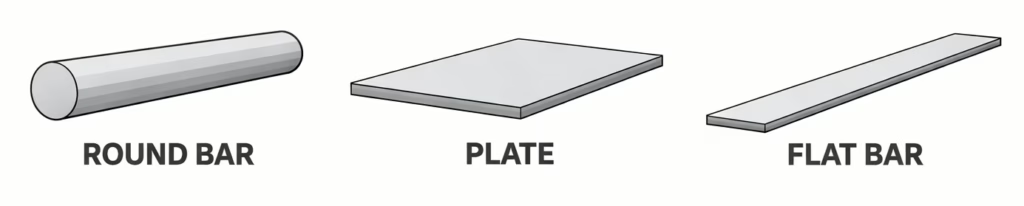
| Available Forms | Round Bar / Flat Bar / Plate / Forged Block |
| Monthly Production Capacity | Approx. 1000 metric tons |
| Recommended Export Quantity | Full 20GP container (~26 tons) |
| MOQ | 5 tons |
| Lead Time (With Ingot Stock) | Approx. 20 days |
| Lead Time (Fresh Melt) | 30–45 days |
| Lead Time (ESR Grade) | Approx. 60 days |
| Inspection | In-house UT team + Third-party inspection available |
| Documentation | MTC (EN 10204 3.1) + UT Report |
Why Global Distributors Source D2 from Aobo Steel
- Continuous monthly supply of around 1000 tons
- MOQ from 5 tons for wholesale orders
- Container-optimized bar and plate lengths
- Mixed sizes are supported for export loading
- Annealed delivery for downstream machining
- Stable sourcing through integrated supply chain partners
- UT inspection available to SEP 1921-82 D/d or E/e
- MTC and batch traceability with each shipment
- Heat number tracking for order control
- Black, turned, and polished surface options
- Bulk export packing for sea shipment
- Clear conversion path to the dedicated bulk supply page
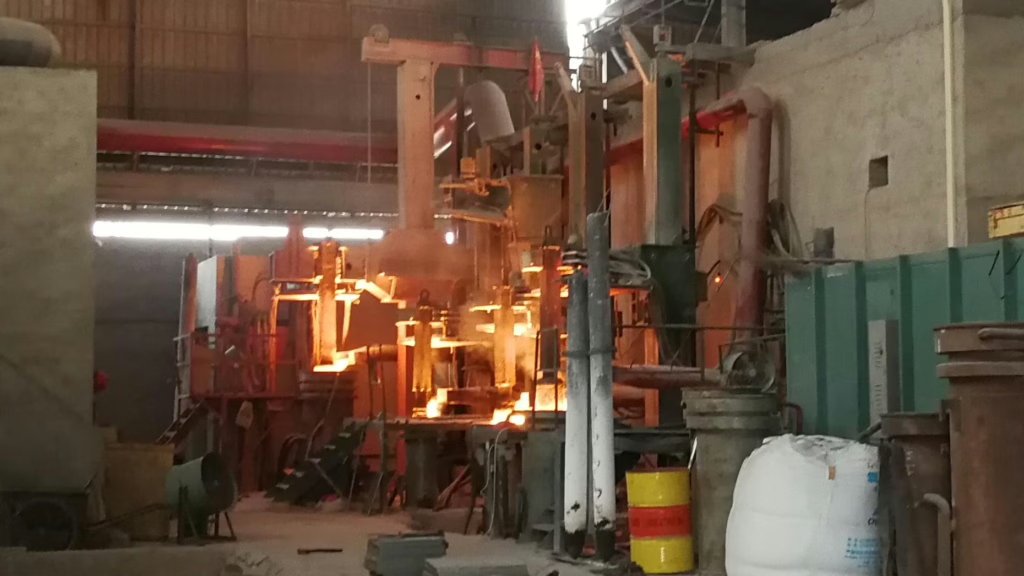
Stable Production for Long-Term Bulk Supply
- Continuous monthly output of around 1000 tons
- Continuous production cycles for inventory replenishment
- ESR (Electro-Slag Remelting) is available upon request
- Stable alloy sourcing to reduce supply interruption risk
- Full batch traceability linked to the original heat number
Available D2 Tool Steel Forms
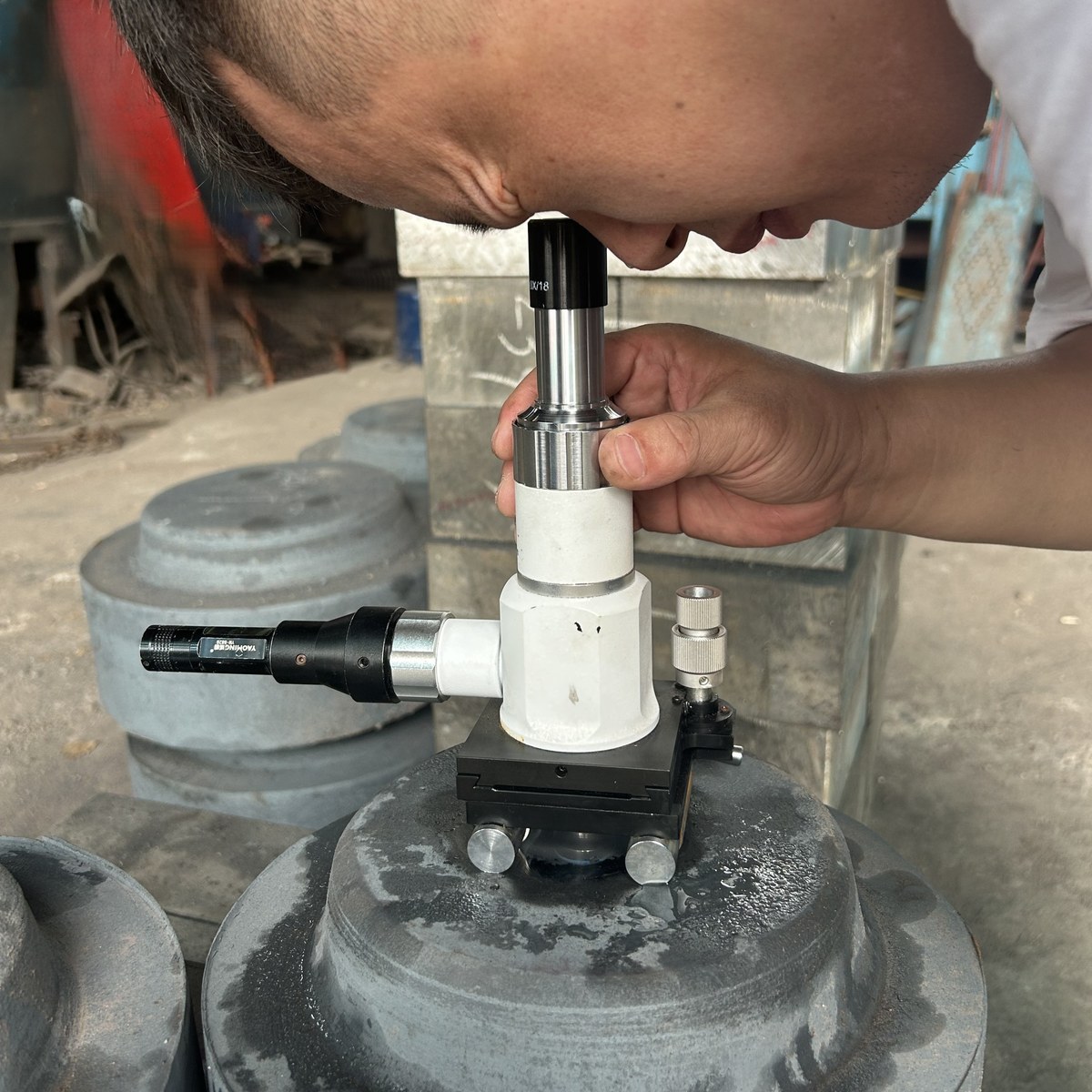
Quality Control for Bulk Orders
Every batch of tool steel supplied by Aobo Steel is verified before shipment to ensure grade accuracy, internal soundness, and traceability for bulk orders. How buyers specify D2 before ordering is set out step by step in the D2 selection and bulk supply guide.
- Chemical composition verified by a spectrometer
- Ultrasonic testing available (SEP 1921-82)
- Delivered in spheroidized annealed condition
- Mill Test Certificate (EN 10204 3.1) with heat number
- Dimensional and surface inspection before shipment
Export Packaging and Container Loading
- Professional seaworthy export packing
- 20GP loading optimized up to ~26 tons
- Mixed grades and mixed sizes supported
- Anti-rust protection for long sea transit
For international shipments, full-container loading is strongly recommended to ensure cost efficiency and smoother customs processing.
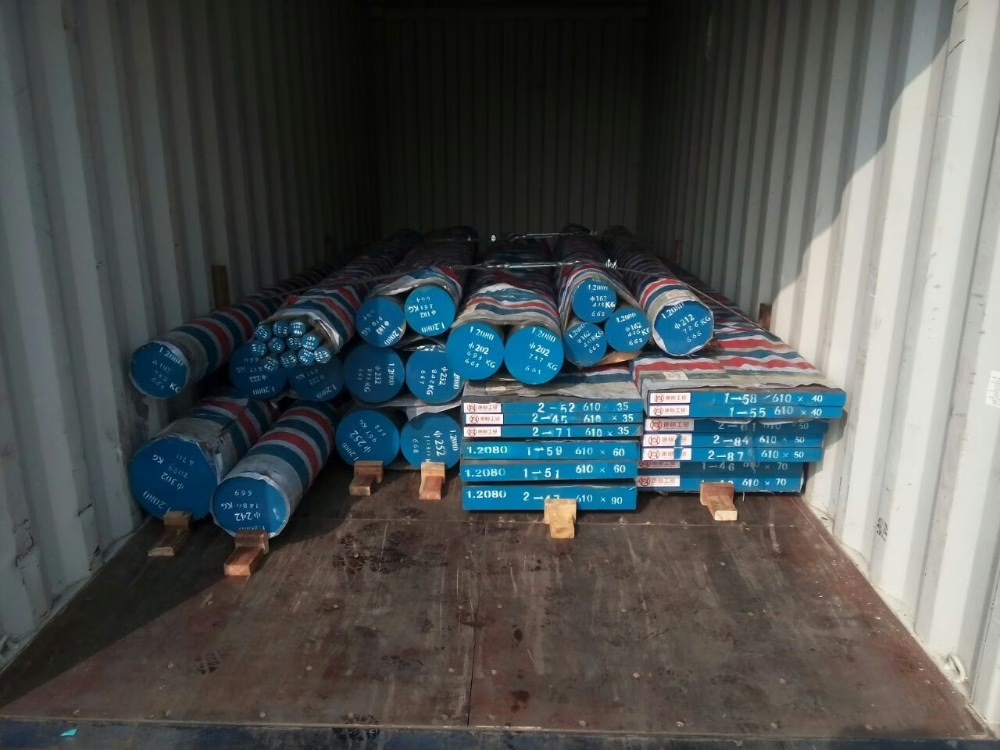
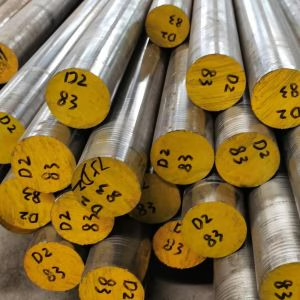
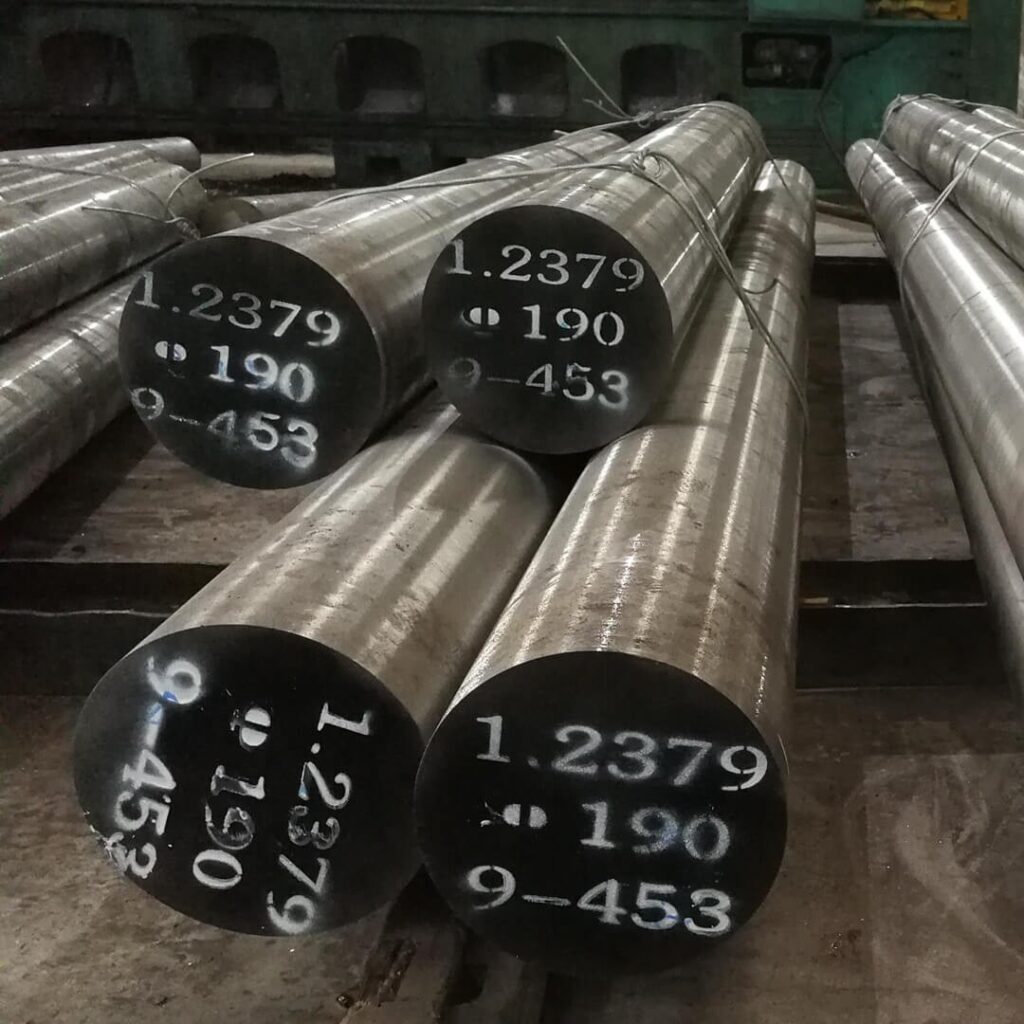
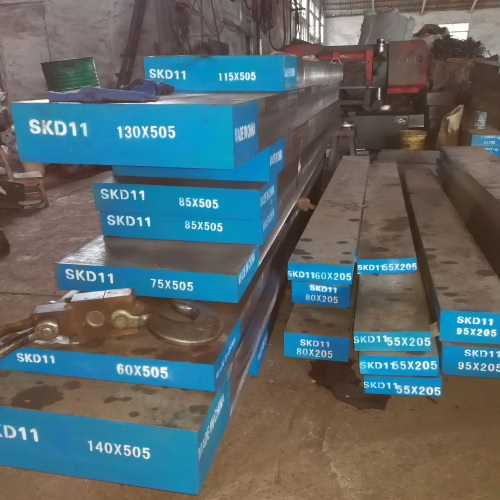
AISI D2 / DIN 1.2379 / JIS SKD11 Gallery
Typical Industrial Applications of D2 Tool Steel
- Blanking and stamping dies
- Cold forming tools
- Industrial knives
- Shear blades and slitter knives
- Thread rolling dies
- Wear-resistant tooling components
D2 Tool Steel and the Equivalent Grades’ Composition
| C | Cr | Mo | V | Mn | Si | P | S |
| 1.40 – 1.60% | 11.00 – 13.00% | 0.70 – 1.20% | 0.50 – 1.10% | 0.10 – 0.60% | 0.10 – 0.60% | ≤ 0.030% | ≤ 0.030% |
The equivalent grades’ composition
| C | Si | Mn | Cr | Mo | V | P | S | |
| Germany/W-Nr. 1.2379 | 1.45 – 1.60% | 0.10 – 0.60% | 0.20 – 0.60% | 11.00 – 13.00% | 0.70 – 1.00% | 0.70 – 1.00% | ≤0.030% | ≤0.030% |
| Japan/JIS SKD11 | 1.40 – 1.60% | ≤0.40% | ≤0.60% | 11.00 – 13.00% | 0.80 – 1.20% | 0.20 – 0.50% | ≤0.030% | ≤0.030% |
| China/GB Cr12Mo1V1 | 1.40 – 1.60% | ≤0.60% | ≤0.60% | 11.00 – 13.00% | 0.70 – 1.20% | 0.50 – 1.10% | ≤0.030% | ≤0.030% |
We guarantee that all materials are manufactured in strict compliance with the specified chemical compositions for D2, 1.2379, and SKD11.
D2 Steel Heat Treatment Overview
D2 is an air-hardening tool steel. Controlled heat treatment is critical to achieve optimal wear resistance and dimensional stability.
- Preheat: 650°C
- Austenitizing: 1010–1024°C
- Quenching: Air quench
- Recommended Tempering: Double temper
D2 Steel Properties
| Modulus of Elasticity | 0.2% Offset Yield Strength | Yield Strength | UTS(Tensile Strength) |
| 203 GPa | 411 MPa | 350 MPa | 758 MPa |
| Modulus of Toughness | Fracture Strength | Elongation at Break | Gauge Length | Fracture Strain | Area Reduction |
| 81 MPa | 723 MPa | 0.61 mm | 30 mm | 1.97% | 1.30% |