
센지미르 클러스터 밀 작업 롤에 AISI D2 공구강이 표준으로 선택되는 이유는 무엇일까요?
센지미르(Sendzimir) 구성을 사용하는 냉간 압연기는 일반적으로 20단 또는 Z-Hi 클러스터 압연기라고 불리며, 핵심 설계 원칙은 작업 롤의 직경을 의도적으로 작게 만드는 것입니다. 작업 롤의 직경이 작으면 스트립을 압연하는 데 필요한 압연력이 감소하고, 전력 소비가 줄어들며, 재료가 스탠드를 통과할 때 발생하는 측면 확산이 줄어듭니다. 이러한 특징 덕분에 클러스터 압연기는 얇고 단단하거나 고강도의 스트립 및 판재를 압연하는 데 매우 효과적입니다.
문제는 기계적인 상충 관계에 있습니다. 무거운 하중을 받는 가느다란 롤은 휘어지려는 경향이 있습니다. 지지대가 없으면 이러한 휘어짐으로 인해 게이지 제어가 제대로 되지 않고 결국 롤 자체에 균열이 생길 수 있습니다. 클러스터 압연기 설계는 작업 롤을 여러 개의 중간 롤로 이루어진 스택 내부에 배치함으로써 이 문제를 해결합니다. 이렇게 하면 압연 하중이 바깥쪽의 큰 백업 롤과 견고한 하우징으로 전달됩니다. 따라서 작업 롤은 자체적으로 휘어짐에 저항할 필요가 없습니다. 압축, 마모 및 표면 접촉에만 견디면 됩니다.
단 하나의 설계상의 사실이 이 용도에 있어 "적합한 강철"의 의미를 바꾸어 놓으며, 이것이 바로 그 이유입니다. AISI D2 has remained the standard material for both work rolls and intermediate rolls in these stands for decades. The selection logic for mill rolls in other mill types is covered in the 압연기 및 튜브 밀 롤 선택 가이드.
20-Hi 및 Z-Hi 압연기는 동일한 롤 클러스터와 힘 전달 경로를 공유합니다. 유일한 구조적 차이점은 작업 롤 자체에 있습니다. Z-Hi 작업 롤은 스탠드를 분해하지 않고도 빠른 롤 교체를 위해 측면으로 빼낼 수 있습니다.
Z-Hi 냉간압연기 · 측면 인출식
20-Hi와 동일한 클러스터; 작업 롤이 측면으로 빠져나가 빠른 교체가 가능합니다.
Z-Hi = 20-Hi 클러스터 + 측면 인출식 작업 롤 — 분해 없이 몇 분 만에 롤 교체 가능
D2의 화학 성분이 롤 표면에서 실제로 제공하는 효과는 무엇일까요?
냉간 압연은 스트립이 롤 사이를 통과할 때마다 극심한 표면 압력을 가합니다. 롤은 장기간의 생산 공정 동안 치수 정확도를 유지해야 할 뿐만 아니라 스트립 표면의 마모에도 견뎌야 하므로, 강재는 단순히 높은 인성보다는 높은 압축 강도와 단단하고 안정적인 미세 구조를 가져야 합니다.
D2는 바로 그러한 조합을 위해 설계되었습니다. 구성 성분은 대략 탄소 1.5%와 크롬 11.5~12.0%이며, 소량의 몰리브덴과 바나듐이 첨가되어 있습니다. 이러한 화학적 조성은 열처리된 마르텐사이트 기지 내에 조밀하고 크롬 함량이 높은 M7C3 탄화물을 형성합니다. D2의 내마모성은 바로 이 탄화물 덕분입니다. 탄화물은 롤과 스트립 사이의 지속적인 마찰에도 롤 표면이 손상되지 않을 만큼 충분히 단단합니다. 주변의 열처리된 기지는 압축 하중을 지지하고 압력 하에서도 롤의 치수 안정성을 유지합니다.
이것이 바로 D2 강재가 공기 경화강으로 분류되는 이유입니다. D2 강재는 오일이나 물에 담금질하는 대신 공기 담금질로 두께 방향으로 완전한 경도를 얻기 때문에 열처리 중 변형이 적습니다. D75mm 단면의 정밀 연삭 롤의 경우, 경화 과정에서의 치수 안정성은 매우 중요합니다. 이는 완성된 롤이 압연 공정에 들어가기 전까지 원형을 유지하고, 직선을 유지하며, 허용 오차 범위 내에 있도록 하는 핵심 요소입니다.
실제 사이즈 및 경도 측정
D2 강재는 클러스터 밀에서 약 6.4mm에서 최대 300mm에 이르는 넓은 직경 범위를 지원하므로, 동일 스탠드 내에서 슬림한 작업 롤과 다소 큰 중간 롤 모두에 사용할 수 있습니다. 열처리 목표는 두 롤 간에 약간의 차이가 있습니다. 작업 롤은 스트립에 직접적인 압축 하중을 받기 때문에 일반적으로 58~64 HRC로 경화 처리됩니다. 반면, 수명 동안 더 많은 접촉 피로를 겪는 중간 롤과 구동 롤은 내마모성과 피로 수명의 균형을 맞추기 위해 일반적으로 58~62 HRC 범위로 약간 더 연하게 처리됩니다.
이 수치들은 임의적인 것이 아닙니다. 탄화물 함량이 높은 마르텐사이트강이 반복적인 헤르츠 접촉 응력 하에서 어떻게 거동하는지에 대한 실질적인 이해를 반영한 수치이며, 바로 이러한 이해가 롤 블랭크가 사양대로 작동하는지 아니면 사용 초기에 파손되거나 박리되는지를 구분하는 기준이 됩니다.
취성이 더 이상 제약 요소가 되지 않는 이유
D2의 알려진 약점은 인성입니다. 높은 탄화물 함량으로 내마모성이 뛰어나지만, 이로 인해 강철 모서리가 취성해지는 문제가 발생합니다. 따라서 D2는 롤 본체가 전체 길이에 걸쳐 굽힘 및 인장 응력을 견뎌야 하는 일반적인 압연기에서 솔리드 롤로 거의 사용되지 않습니다. 2단 또는 4단 압연기에서는 이러한 취성이 심각한 단점이 될 수 있습니다.
클러스터 밀의 기하학적 구조는 문제를 우회하는 대신 근본적인 해결책을 제시합니다. 백업 롤이 압연력의 수직 및 수평 성분을 모두 흡수하기 때문에 작업 롤 자체는 휘어지지 않습니다. 작업 롤은 중간 롤 클러스터에 의해 길이 방향으로 완전히 지지된 순수 압축 상태에 놓입니다. 하중 경로에서 굽힘 및 인장 응력을 거의 모두 제거함으로써 D2의 취성은 더 이상 설계 위험 요소가 되지 않습니다. 남은 것은 D2가 항상 가장 강점을 보였던 특성, 즉 압축 하중 하에서 마모에 강하고 경도를 유지하는 능력입니다. 센지미르 설계와 야금학은 사실상 서로를 위해 만들어진 것입니다.
롤 제조용 D2 철근 사양
이러한 용도로 D2 봉강을 주문하는 제철소 롤 제조업체는 일반적으로 박피 및 어닐링 처리된 원형 봉강을 지정합니다. 어닐링 처리는 최종 담금질 및 템퍼링 공정을 자체적으로 수행하기 전에 롤 가공에 적합한 초기 경도를 제공하기 때문입니다. 봉강 직경은 열처리 후 마무리 가공 및 연삭을 위한 충분한 여유를 남겨두도록 설정되며, 박피면의 치수 공차는 일반적인 공구 및 금형 작업보다 훨씬 중요합니다. 이는 롤 가공 업체가 경화 전에 제거해야 하는 재료의 양에 영향을 미치기 때문입니다.
EU로 제품을 배송하는 공급업체의 경우, 롤 제조업체가 가늘고 고가의 롤 블랭크에 대한 경화 공정에 봉재를 투입하기 전에 추적 가능한 문서가 필요하기 때문에 화학 조성, 경도 및 금속 조직 상태를 다루는 EN 10204 3.1에 따른 밀 테스트 인증서는 이러한 유형의 주문에 대한 표준 요구 사항입니다.
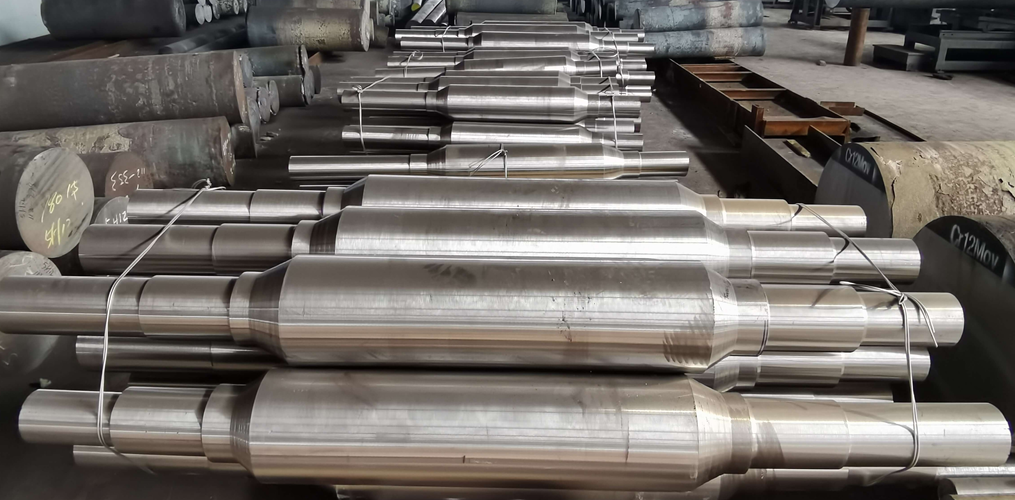
Aobo Steel은 EN 10204 3.1 문서를 보유한 협력사를 통해 냉간 압연 롤 생산용 D2/1.2379 원형 봉강을 박피 및 어닐링 처리된 상태로 공급하며, 유럽 항구까지 CIF 조건으로 배송이 가능합니다. Sendzimir 및 기타 클러스터 밀 적용 분야의 등급 선택 또는 봉강 사양 관련 기술적인 문의 사항은 당사의 D2 공구강 공급업체 페이지를 통해 연락해 주십시오.