

아오보 스틸 | 중국의 글로벌 공구강 공급업체
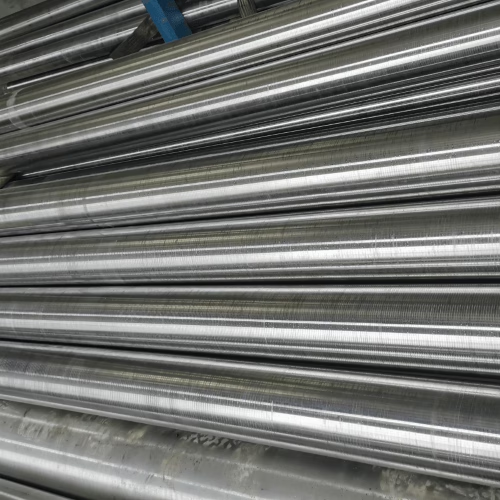
AISI 52100 베어링강 | 1.3505 | 100Cr6 고탄소 크롬 합금강
- 100% UT Tested Quality Assurance
- SEP 1921-82 Class D/d Guaranteed
- Annealed State Delivery
- Surface: Black Scale, Turned, Mill Finish, or Polished
52100은 높은 경도, 뛰어난 내마모성 및 우수한 피로 강도를 특징으로 하는 고탄소 크롬 베어링강입니다. 주로 베어링(볼 베어링 및 롤러 베어링) 제조에 사용됩니다. 또한 절삭 공구 및 절삭날, 게이지, 롤러 및 높은 경도와 내마모성이 요구되는 기타 기계 부품에도 일반적으로 사용됩니다. 동급 등급으로는 중국(GB)강이 있습니다. GCr15, 독일(DIN) 100Cr6(또는 1.3505), 일본(JIS) SUJ2.
1. 52100 베어링강의 구성1
| C | Mn | P | S | Si | Cr |
| 0.98-1.10 | 0.25-0.45 | 0.025 | 0.025 | 0.15-0.35 | 1.30-1.60 |
2. 52100 베어링강의 특성
이 섹션에서는 AISI/SAE 52100 강재가 다양한 산업 분야에서 선호되는 소재인 주요 특성을 설명합니다. 구성 제한, 경도 변화, 해당 등급의 동등 명칭 등이 정리되어 있습니다. 52100 강철 특성 참조.
경도 잠재력 및 열처리 반응
One of the standout properties of 52100 bearing steel is its exceptional hardness capability.
- 달성 가능한 경도: 적절한 열처리를 거치면 52100강은 단면 전체에 걸쳐 60~64 HRC의 경도를 일관되게 얻을 수 있습니다. 예를 들어, 두께 1인치(약 2.5cm)의 부재는 약 204°C(400°F)에서 템퍼링 처리하면 약 60 HRC의 경도에 도달할 수 있습니다.
- 베어링 적용 분야: 볼 베어링의 핵심 부품의 경우, 일반적으로 최소 62 HRC의 경도가 요구되며, 경화 및 템퍼링 처리를 통해 이러한 경도를 달성합니다.
- 고온 경도: 52100강의 고온 경도는 작동 온도가 상승함에 따라 현저히 감소한다는 점을 고려하는 것이 중요합니다.
2.1 미세구조 특성
적절한 열처리 후 52100강의 미세구조는 그 성능에 매우 중요한 요소입니다.
- 일반적인 구조: 주로 고탄소 마르텐사이트로 구성되며, 미세하게 분산된 1차(용해되지 않은) 구형 탄화물이 포함되어 있습니다. 잔류 오스테나이트 함량은 5~10%가 일반적입니다.
- 내마모성 기여도: 베어링 용도에 사용되는 52100강은 Acm 온도 이하에서 의도적으로 오스테나이트화 처리됩니다. 이 공정은 최종 마르텐사이트 구조 내에 시멘타이트 탄화물 배열 형성을 촉진하여 내마모성을 크게 향상시킵니다.
- 청결: 특히 금형과 같이 고도로 연마된 표면이 요구되는 응용 분야에서는 과도한 불순물이 없는 깨끗한 미세 구조가 매우 중요합니다.
2.2 52100강의 핵심 기계적 강도
52100 합금강은 높은 하중 지지력과 탄력성을 위해 설계되었습니다.
| 기계적 특성 | 52100강의 일반적인 값/특성 | 메모 |
| 분류 | 고탄소, 크롬, 저합금, 전체 경화 | 베어링 적용 표준 |
| 달성 가능한 경도 | 60-64 HRC | 경화 볼 베어링의 경우 최소 62 HRC의 경도를 요구합니다. |
| 인장 강도(열간압연) | 930 MPa (135 ksi) | 공급 당시 상태 그대로 |
| 항복강도(열간압연) | 570 MPa (83 ksi) | 공급 당시 상태 그대로 |
| 인장 강도 (유냉 처리, 인발 처리 안 함) | 1515 MPa (220 ksi) | 경화 가능성을 보여줍니다 |
| 항복 강도 (유냉 처리, 인발 처리 아님) | 965 MPa (140 ksi) | 경화 가능성을 보여줍니다 |
| 굽힘 강도 | 약 2400 MPa (240 kgf/mm²) | 볼 베어링 용도에 적합합니다. |
| 탄성 계수(영률) | 약 210 GPa | 재료의 강성 |
2.3 피로 성능
높은 피로 수명은 매우 중요합니다. 52100 베어링강의 특성, 특히 저널 베어링과 같이 반복적인 하중을 받는 부품의 경우 피로 저항성은 개재물 함량 및 열처리 정밀도와 같은 요인에 의해 영향을 받을 수 있습니다. 따라서 피로 시험을 포함한 품질 관리가 매우 중요합니다.
2.4 내마모성
52100강은 우수한 내마모성을 나타냅니다. 최적의 열처리 후 미세구조 내에 균일하게 분포된 매우 작고 단단한 시멘타이트 입자 덕분에 내마모성이 크게 향상됩니다. 듀플렉스 공정과 같은 특수 처리는 특정 조건에서 표준 크롬 도금이나 8620과 같은 다른 합금강에 비해 내마모성을 더욱 개선할 수 있습니다.
2.5 경화성
크롬 함량 덕분에 52100강은 우수한 경화성을 지닙니다. 이로 인해 최대 약 1인치 두께의 부품에서도 단면 전체에 걸쳐 균일한 경도를 얻을 수 있습니다. 52100강의 경화성은 5280강과 유사합니다.
2.6 가공성
최상의 가공 결과를 얻고 후속 경화 공정 중 균일한 반응을 보장하기 위해 52100강에는 구상화 미세구조가 매우 중요합니다. 이러한 조건은 공구 수명과 표면 조도를 향상시킵니다.
2.7 재료의 청결도 및 품질
고품질 52100 베어링강 이 제품은 내부 건전성, 청결성 및 균일한 화학적 조성에 중점을 두고 생산됩니다.
- 포함 제어: 볼 베어링과 같은 중요 용도에서는 비금속 개재물(예: A, B, C, D 유형) 함량이 매우 낮아야 하고 산소 함량이 최소화되어야 합니다.
- 용융 공정: CEVM(소모성 전극 진공 용융) 또는 ESR(전기 슬래그 재용융)과 같은 고급 용융 기술은 연마된 금형과 같은 까다로운 응용 분야에 필요한 매우 깨끗한 미세 구조를 제공할 수 있습니다.
- 캐스팅 고려 사항: 최신 연속 주조 방식으로 52100강을 생산할 때, 균질화 사이클이 불충분하면 편석 및 바람직하지 않은 탄화물 분포가 발생하여 강재의 특성과 열처리 반응에 부정적인 영향을 미칠 수 있습니다.
- 표준: ASTM A 535는 마찰 방지 베어링 제조에 사용되는 특수 품질의 합금강 빌릿, 바, 튜브, 로드 및 튜브를 다룹니다.
2.8 치수 안정성
52100강 부품에서 매우 높은 치수 안정성을 얻으려면 열처리 공정을 정밀하게 제어해야 합니다. 이 강은 변형에 민감하기 때문에, 궁극적인 안정성이 최우선 목표라면 일부 고급 강재에 비해 낮은 경도로 템퍼링해야 할 수도 있습니다. 오스테나이징 온도나 템퍼링 방식이 잘못되면 균열이 발생할 수 있습니다.
2.9 용접성
52100 베어링강은 탄소 함량이 높아 용접 중 및 용접 후 균열이 발생하기 쉽기 때문에 일반적으로 용접이 불가능한 것으로 간주된다는 점에 유의해야 합니다.
2.10 인성
52100강은 약 850°C(1560°F)에서 적절히 오일 퀜칭하여 템퍼링된 마르텐사이트 내에 구형 탄화물이 분산된 미세구조를 얻으면 우수한 인성을 나타냅니다. 이는 샤르피 V-노치 충격 에너지 및 평면 변형 파괴 인성(KIc)과 같은 표준 시험을 통해 평가할 수 있습니다. 연구 결과에 따르면 52100 베이나이트는 일부 분말 단조강보다 더 높은 충격 인성을 제공할 수 있습니다.
52100 베어링강을 찾고 계신가요? 아래 양식을 작성하여 지금 바로 문의해 주세요!
3. Heat Treatment
52100 steel is a prominent bearing steel, valued for achieving high hardness. This hardness is primarily developed through the formation of martensite in its microstructure, a result of precise heat treatment of 52100 steel. Understanding these thermal processes is key to optimizing your 52100 steel components.
3.1 오스테나이트화
The austenitizing stage involves heating the 52100 steel to transform its structure. For optimal results, the austenitizing temperature for 52100 steel should be meticulously controlled, ideally around 855 +/- 5°C. Using temperatures such as 840°C or 850°C before quenching is also noted. It is important to avoid heating 52100 steel above this specific range (overheating), as this can lead to excessive retained austenite and an increased risk of cracking upon quenching.
3.2 담금질
Following austenitizing, 52100 steel is rapidly cooled (quenched). Common quenching media for 52100 steel include Oil and Salt Bath.
Martempering is another technique used for 52100 steel. This typically involves quenching in a hot salt bath, followed by cooling in still air, a method chosen to minimize distortion.
3.3 Tempering
After the hardening process, tempering is a crucial step in the heat treatment cycle of 52100 steel. Tempering is performed at temperatures below the steel’s Ac1 (lower critical) point. Its primary purpose is to enhance toughness and relieve internal stresses within the 52100 steel.
담금질 온도 및 그에 따른 경도
The choice of tempering temperature directly influences the final properties of 52100 steel.
| 52100강의 템퍼링 온도 | 일반적인 결과 경도(HRC) | 52100 강철 적용 관련 참고 사항 |
| 220°C 또는 240°C | 약 60-60.5 HRC | 우수한 치수 안정성을 위해 52100 강철, 특히 베어링 적용 분야(SO 또는 S1 조건)에 적합합니다. |
| 180°C 또는 190°C | 다양함 | 또한 일반적인 템퍼링 범위는 다음과 같습니다. 52100 강철. |
| 150°C – 200°C | 다양함 | 강인함 52100 강철 일반적으로 이 범위에서 열처리하면 낮은 값을 나타냅니다. |
이중 템퍼는 종종 다음과 같은 용도로 사용됩니다. 52100 강철, 때로는 중간에 극저온(극저온) 처리를 하기도 합니다. 이는 잔류 오스테나이트가 변태되고 응력이 효과적으로 완화되도록 도와줍니다.
3.4 52100강의 어닐링
언제 52100 강철 예를 들어 가공 전에 재료를 부드럽게 해야 할 경우, 어닐링이 적절한 방법입니다. 52100 강철 열처리.
52100강의 어닐링 공정 및 결과
| 52100강의 어닐링 공정 | 타겟 경도(HB) | 52100강의 미세구조 변화 | 52100 강철의 주요 이점 |
| 표준 어닐링 | 약 198 HB | 주로 층상 펄라이트 | 전반적으로 부드러워짐. |
| 최적화/구형화 어닐링 | 180-190 HB | 구형화된 구조(페라이트 내의 구형 탄화물) | 가공성 향상 52100 강철. |
어닐링 과정에서 냉각 속도를 제어하여 구상화시키면 페라이트 기지 내에 구형 탄화물이 생성되어 가공성이 크게 향상됩니다. 52100 강철.
4. 52100강의 표면 처리
52100강 부품의 성능, 특히 표면 경도와 내마모성을 크게 향상시키기 위해 다양한 첨단 표면 처리 기술을 적용할 수 있습니다.
크롬 도금은 흔히 사용되는 표면 처리 방법입니다. 탁월한 내마모성을 위해서는 듀플렉스 처리라고 하는 복합 공정을 적용할 수 있습니다. 이 공정은 크롬 도금과 플라즈마 질화 처리를 독창적으로 결합하여 크롬 도금 단독 처리보다 훨씬 뛰어난 내마모성을 제공합니다.
5. 응용 프로그램
Primarily, 52100 steel is used for manufacturing ball bearings and is a classic grade for rolling bearing steel. Its critical role in high-performance bearing components is further highlighted by its specification in ASTM A295 (for hot-rolled alloy steel bars for anti-friction bearings) and ASTM A535 (for special quality ball and roller bearing steel).
After heat treatment, 52100 steel is well-suited for applications demanding High load-bearing capacity, Excellent wear resistance, and Long fatigue life.
Consequently, it is successfully applied in electric motors, gearboxes, gas turbine aeroengine main shafts, helicopter transmissions, and steel rolling mill support bearings. These varied 52100 steel applications demonstrate its versatility.
베어링 외에도 특수 제조 공정에 사용됩니다. 예를 들어, 플라즈마 전송 아크(PTA) 분말 증착 용접에서 클래딩 재료로 사용됩니다. AISI 1022M과 같은 기판을 52100 강층으로 클래딩하면 마모 및 피로에 대한 저항성이 크게 향상되며, 피로 수명에 중요한 영역은 이 클래딩 내부에 설계됩니다.
Furthermore, its properties make 52100 steel valuable for certain tool steel applications. Categorized as a semi-high-speed steel, it can achieve hardness in the 62–64 HRC range. While its tempering and wear resistance may be lower than some true high-speed steels, it is used for some cold work tools or mechanical components. For dies up to 50 mm (2 inches) in diameter, consumable-electrode vacuum-melted or electroslag remelted 52100 steel is utilized. Heat-treated to 59-61 HRC, this material provides optimum die life and is suitable for photochemical etching to create polished, low-relief die surfaces.
6. AISI 52100 동등 표준
- AISI/SAE: 52100
- China(GB): GCr15
- UNS: G52986
- DIN(W-Nr): 3505 (100Cr6으로도 알려짐)
- JIS: SUJ2
6. 공급 형태 및 치수
당사에서 공급하는 52100 베어링강은 원형 봉, 판재, 슬래브, 평강, 사각봉, 블록 등 다양한 형태로 제공됩니다. 평강의 규격은 폭 20~600mm × 두께 20~400mm × 길이 1,000~5,500mm입니다. 원형 봉의 규격은 직경 20~400mm × 길이 1,000~5,500mm입니다. 블록 규격은 평강을 절단하여 얻습니다.
UT 테스트: 1921-84년 9월 D/d, E/e.
표면 처리: 원래의 검정색, 벗겨낸 표면, 기계 가공/선삭 가공, 광택 처리, 연마 또는 밀링 처리된 표면 마감.
배송 기간: 30~45일.
자주 묻는 질문
52100 강철이란 무엇입니까?52100 합금강은 고탄소 크롬 합금강의 특징을 갖는 베어링강입니다.
52100강의 주요 특성은 무엇입니까?52100강의 주요 특징으로는 높은 경도(적절한 열처리 시 최대 66 Rockwell C)와 뛰어난 내마모성을 들 수 있습니다. 또한, 우수한 강도와 내구성을 지니고 있으며, 치수 안정성도 뛰어납니다. 크롬 함량 덕분에 내식성이 우수하지만, 다른 강종에 비해 취성이 강해 연성과 충격 저항성이 다소 떨어지는 단점도 있습니다.
52100 강철은 부식에 강한가요, 아니면 녹이 슬나요?52100강은 크롬 함량이 높아 내식성이 매우 뛰어납니다. 하지만 스테인리스강은 아니며, 다른 종류의 강철(예: )에 비해 내식성이 떨어집니다. 440C 스테인리스강.
52100 강철이 도달할 수 있는 최대 경도는 얼마입니까?52100강은 적절한 열처리를 거치면 최대 66 로크웰 C(HRC)에 달하는 매우 높은 경도를 얻을 수 있습니다.
52100 강철은 자성을 띠나요?네, 52100 강철은 상온에서 자성을 띕니다.
52100 강철의 장점과 단점은 무엇인가요?장점: 열처리하면 매우 단단해지고, 마모 및 피로에 대한 저항성이 뛰어나며, 가혹한 조건에서도 형태를 잘 유지하고, 적절한 열처리 후에는 가공성이 매우 우수합니다.
단점: 진정한 스테인리스강보다 내식성이 떨어지고, 용접이 까다로울 수 있으며, 다른 강철보다 취성이 강하고, 가격이 약간 더 비쌀 수 있으며, 완전히 경화된 상태에서는 가공이 어렵습니다.
52100 합금강은 주로 가혹한 환경에서 작동하며 최소한의 변형만 요구되는 부품에 사용됩니다. 일반적인 적용 분야로는 고하중 베어링(볼 베어링 및 롤러 베어링), 부싱, 캠, 샤프트 및 기타 고하중, 고마모 부품이 있습니다. 또한 항공기 엔진, 공작기계, 해양 설비와 같은 까다로운 산업 환경은 물론 자동차 및 항공기 부품에도 사용됩니다.
52100 강철은 칼 제작에 적합한가요?네, 52100강은 칼 제작에 매우 적합한 강재로 여겨지며, 특히 숙련된 대장장이가 적절한 열처리를 거친 경우 더욱 그렇습니다. 날카로운 절삭력을 자랑하고, 높은 경도를 가지며, 우수한 날 유지력과 쉬운 연마성을 제공합니다. 하지만 열처리가 제대로 되지 않으면 연마 시 끈적거림이 발생하거나 날 유지력이 떨어지는 등의 문제가 생길 수 있습니다.
52100강을 공구 제작에 사용할 수 있습니까?네, 52100강은 높은 경도와 내마모성 덕분에 다양한 공구 제작에 탁월한 선택입니다. 구체적인 예로는 펀치, 탭, 다이, 밀 롤, 일반 공구, 칼, 끌, 열간 절삭 공구, 목선반용 끌 등이 있습니다.
52100강을 최적의 성능으로 사용하려면 어떻게 열처리해야 합니까?52100강의 최적 열처리에는 경도와 인성을 극대화하기 위한 특정 단계가 포함됩니다. 일반적으로 어닐링(종종 여러 번의 가열 및 공랭 사이클을 거치는 분리 공석 변태(DET) 어닐링) 후 1475°F~1525°F 사이의 온도에서 10~30분 동안 경화(오스테나이트화) 처리가 이루어집니다. 오스테나이트화 후 즉시 담금질하는 것이 중요하며, 이후 300~500°F에서 여러 번의 사이클을 거쳐 템퍼링하여 경도, 인성 및 연성의 균형을 맞춥니다. 오스테나이트화 온도를 높이면 경도가 증가하지만 오스테나이트가 잔류할 수 있습니다.
52100강에 권장되는 어닐링 공정은 무엇입니까?일반적인 방법 중 하나는 결정립 크기를 미세화하기 위한 분리 공석 변태(DET) 어닐링입니다. 이 공정은 927°C(1700°F)로 20분간 가열한 후, 검게 변하고 자성을 띠게 될 때까지 공랭하는 것으로 시작됩니다. 그 후 793°C(1460°F)로 30분간 재가열하고 공랭합니다(필요에 따라 이 단계를 반복할 수 있습니다). 마지막으로, 강철을 용광로 내에서 677°C(1250°F)까지 천천히 냉각시킨 후, 상온에서 냉각합니다. 이 공정은 내부 응력을 감소시키고 강철의 미세 구조를 미세화하는 데 도움이 됩니다.
52100강에 권장되는 담금질 매체는 무엇입니까?52100강에는 중냉각유 또는 급속냉각유를 사용하는 것이 좋습니다.
52100 강철은 단조나 가공이 어렵습니까?52100강은 단조가 매우 어려워 응력 균열을 방지하기 위해 느린 동작과 고온이 필요합니다. 그러나 중간 정도의 낮은 경화성과 단조 온도에서 탄화물이 거의 없다는 점 때문에 공기 경화강에 비해 단조 작업이 더 용이합니다. 완전히 경화된 상태의 52100강은 가공이 어려워 탄화물이나 입방정 질화붕소(CBN) 공구와 같은 특수 공구가 필요한 경우가 많습니다. 가공 전에 구상화 열처리를 하면 가공성을 향상시킬 수 있습니다.
단조 공정은 칼에 사용되는 52100 강철의 성능에 어떤 영향을 미칠까요?단조 공정은 52100강의 성능 향상 잠재력을 극대화할 수 있습니다. 약 885°C(1625°F)의 특정 저온에서 단조하면 탄소 손실과 결정립 성장을 방지하면서도 강성을 개선할 수 있습니다. 이 공정은 열처리(정규화)와 함께 탄화물을 용해하고 결정립 크기를 미세화하여 내마모성과 전반적인 성능을 향상시킵니다.
52100강은 냉간 가공이 가능한가요?네, AISI 52100 합금강은 어닐링 또는 노멀라이징 처리된 상태라면 일반적인 냉간 가공 기술을 사용하여 가공할 수 있습니다.
칼 제작에 있어서 52100 강철은 O1 강철과 어떻게 비교되나요?52100 강철은 크롬 함량이 약 3배 더 높습니다. O1 공구강. O1 강재는 탄화텅스텐을 함유하고 있는 반면, 52100 강재는 진공 용융과 같은 정밀한 제조 공정을 통해 균일하고 매우 미세한 결정 구조를 갖는 것으로 알려져 있습니다. 일반적으로 O1 강재는 52100 강재보다 열처리가 용이하며, 52100 강재는 단조 및 열처리가 더욱 까다롭습니다. 그러나 많은 전문가들은 모든 공정(특히 정밀한 단조 및 특수 열처리)을 제대로 수행했을 때 52100 강재가 우수한 칼 성능을 발휘한다고 주장합니다.
52100 강철은 내식성 측면에서 440C 스테인리스강과 어떻게 비교됩니까?440C 스테인리스강은 일반 52100강보다 부식 저항성이 두 배 뛰어납니다. 또한 440C는 피로 수명 및 무윤활 작동 조건에서 더 우수한 성능을 발휘합니다.
52100강의 날 유지력은 AEB-L이나 일본산 강재와 같은 다른 강재에 비해 어떻습니까?52100강은 시멘타이트 탄화물의 함량과 경도 때문에 다른 탄소강 및 저합금강과 유사한 특성을 보여 일반적으로 일부 고급강에 비해 날 유지력이 특별히 높지는 않습니다. 시험 결과, 52100은 1086강 및 우츠 다마스커스강보다 우수한 날 유지력을 보였지만, AEB-L강보다는 떨어졌습니다. 일부 사용자들은 일본산 강재와 비교했을 때, Apex Ultra와 같은 최신 강재는 추가 합금 원소 덕분에 훨씬 더 높은 날 유지력을 제공할 수 있다고 주장합니다.
52100 강철은 다마스커스 또는 산마이 칼 제작에 사용할 수 있습니까?네, 52100강은 열처리로가 있는 경우, 특히 심층 경화강이기 때문에 산마이 칼날의 심재로 효과적으로 사용할 수 있습니다. 또한 1095강과 같은 재료와 함께 다마스커스강에도 사용되지만, 구성 성분이 유사하여 뚜렷한 시각적 대비를 얻기는 어려울 수 있습니다.
52100 강철은 어떤 용도에 적합합니까?구름 베어링. 고탄소 베어링, 특히 볼 베어링과 롤러 베어링에 사용되는 고전적이고 표준적인 소재로 여겨집니다.
금형 단면. 표면이 매우 정밀하게 연마되어야 하는 최대 직경 50mm의 금형에 사용할 수 있습니다.
분말 이송 아크 용접(PTA)에서 사용되는 클래딩 재료.
침탄 처리 없이 우수한 내마모성이 요구되는 용도.
52100강의 강도는 적용되는 특정 열처리 방식에 따라 크게 달라집니다.
인장 강도: 585-620 MPa (85-90 ksi). 850°C(1560°F)에서 오일 담금질 후, 인장 강도는 템퍼링 온도에 따라 달라집니다. 금형 용도의 경우, 어닐링 처리된 상태에서는 인장 강도가 80,000 psi (552 MPa)이고, 오일 담금질 후 400°F(204°C)에서 템퍼링 처리했을 때는 120,000 psi (827 MPa)입니다.
항복 강도: 450 MPa (65 ksi). 850 °C (1560 °F)에서 오일 담금질 후, 항복 강도는 템퍼링 온도에 따라 달라집니다. 금형 용도의 경우, 어닐링 처리된 상태에서는 항복 강도가 35,000 psi (241 MPa)이고, 오일 담금질 후 400 °F (204 °C)에서 템퍼링 처리했을 때는 93,000 psi (641 MPa)입니다.
압축 강도: 2760 MPa (400 ksi) 또는 2930 MPa (425 ksi).
주요 차이점 요약:
크롬 함량: 52100은 크롬을 함유하고 있는 반면, 1095는 크롬 함량이 미미한 일반 고탄소강입니다.
주요 용도: 52100은 주로 베어링 강으로 사용되는 반면, 1095는 스프링과 블레이드에 자주 사용되는 보다 범용적인 고탄소강입니다.
내식성: 52100은 일반 탄소강 1095보다 내식성이 약간 더 우수하지만, 두 강종 모두 내식강으로 간주되지는 않습니다.