
D2 Round Bar Shipped to Oman
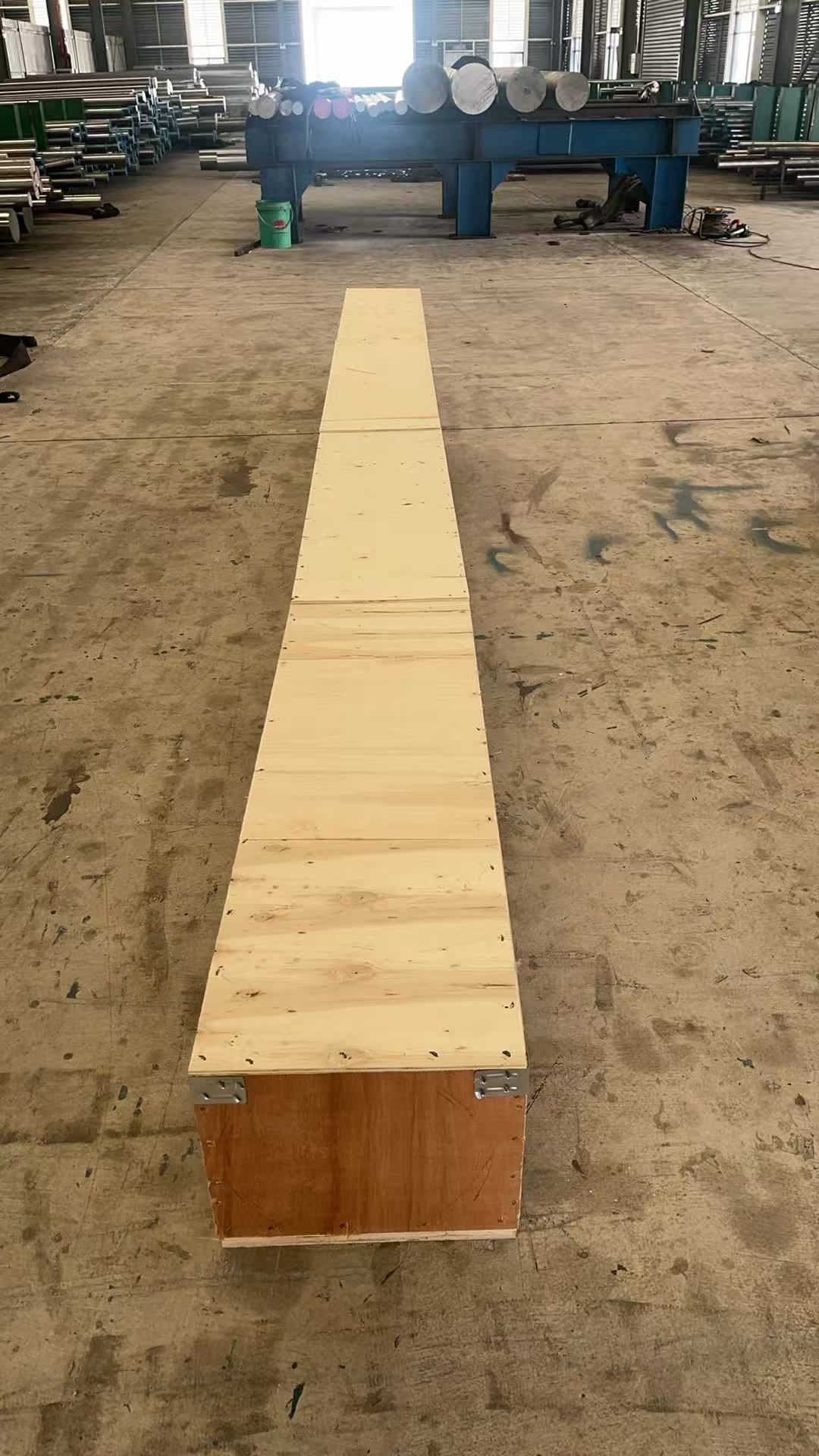
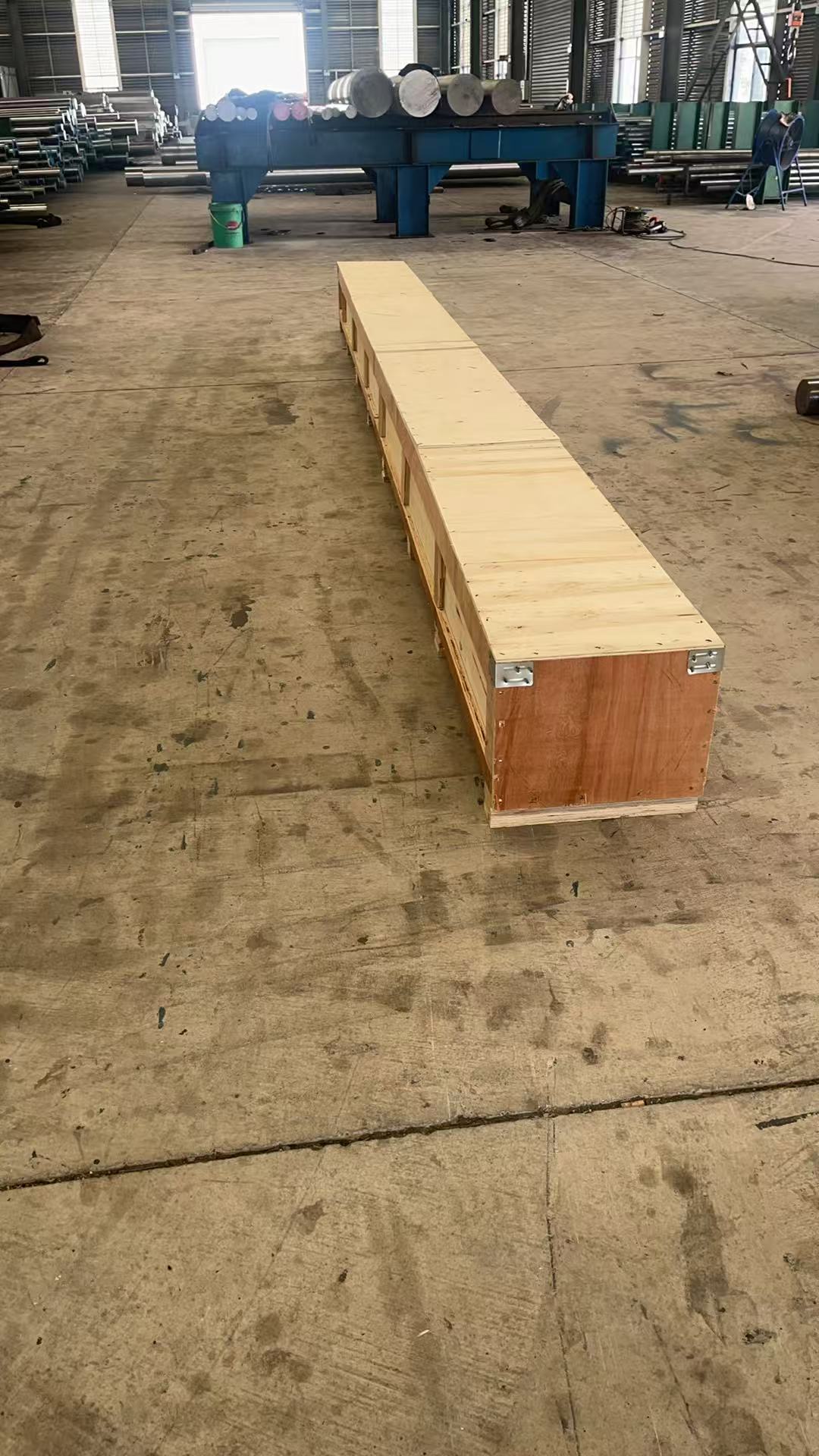
One tonne of D2 round bar in 50 mm and 70 mm left the packing bay in Huangshi this week for a customer in Oman. The bars travel annealed and turned bright, cut to the lengths on the packing list, inside a full-length plywood crate that was built around them, closed and sealed before container loading at Sohar.
The video below shows the sequence from the packing floor. Plywood cradles are laid out to the bar length first; the bundles are lifted from the rack with soft slings and set down on the bed, and the crate is then closed, and its edges sanded before it goes to the container.
Why this order runs D2
D2 is the cold-work grade most die shops reach for when a blanking, trimming, or forming tool must hold an edge through a long run. This order goes into machining first, with hardening and tempering left to the customer’s own heat treater, so the bars ship annealed and turned bright, with the scale already off the diameter and the toolmaker working from a clean surface. Europe sells the grade as 1.2379 and Japan as SKD11, and a drawing labeled with any of the three numbers describes the same material.
Typical D2 chemistry runs 1.40 to 1.60 percent carbon, 11.5 to 13.0 percent chromium, and around 0.8 percent each of molybdenum and vanadium, with the carbide network that gives the grade its wear resistance. Composition data is for general reference only. Actual values vary by standard, mill, and heat number. Confirm against the material test certificate or contact Aobo Steel. The usual hardening and tempering route lands at 58 to 62 HRC, the range most cold work tooling is designed around.
How the crate is built
The crate is made to the bar length rather than to a standard pallet size, because 50 mm and 70 mm bars at full length will overhang any normal pallet and bend under their own weight in a shared container. Two plywood cradles sit on the floor of the packing bay; the bars are set down across them, and the sides and lid go on afterward, so the crate fits the load instead of the load being cut to fit a box.
The bars rest on a plywood bed rather than the concrete floor, which keeps the turned surface out of grit and standing water, and the closed sides and ends keep dust, rain and sea air off the steel for the length of the voyage. Edges are sanded after closing so nothing splinters against the container wall, and steel corner brackets protect the ends where the crate is handled by forklift or crane. Inside the bay, the bundles are moved on soft slings rather than chains, which is the difference between a sound bar surface and a set of lifting marks at the far end of the route.
The sea route to Sohar
Sohar is the container port for Muscat and the northern industrial belt, and it offers direct and one-transshipment services from Shanghai and Ningbo in roughly three to four weeks port to port. A one-tonne crate that doesn’t fill a box travels as LCL with other cargo or as part of a consolidated container, so it must survive handling at both ends of the route rather than sitting untouched in a dedicated 20GP.
Salalah in Dhofar and Duqm in Al Wusta are the other two container entries into the country, and both shorten inland trucking for buyers in the south. For a tool steel order of this size, the choice usually follows the consignee address rather than the sailing schedule.
Documents that travel with the crate
Every batch leaves with a mill test certificate to EN 10204 3.1 carrying the heat number, and with UT results where the order calls for them. The shipping set is the commercial invoice, the packing list, the bill of lading and a certificate of origin, and the packing list is what the crate is counted against before it is closed.
Sea air is a cost that does not appear on the invoice. Closed crates and a dry bed carry a bar through four weeks of passage without surface rust, and the rust prevention measures that matter most are the ones applied before the crate is sealed.
What one tonne orders need
Orders of this size are usually a trial before a bigger annual contract, so the packing list, the heat number on the certificate and the length tolerance are what the buyer checks first. D2 round bar is held in stock in Huangshi from 12 mm to 500 mm diameter, which lets a mixed order of two or three diameters ship in one crate instead of waiting for a melt; anything outside that range is rolled or forged to order. The cold-work tool steel range covers D3, O1, and Cr12MoV from the same stock, so buyers can compare grades on the same packaging.