
Guia técnico para seleção de aços para matrizes de extrusão a frio
Na manufatura moderna, a extrusão a frio é um processo central para a produção em massa de componentes de precisão nos setores automotivo, aeroespacial e de máquinas industriais. A vida útil das matrizes de extrusão a frio frequentemente determina diretamente a lucratividade de uma empresa. Selecionar o aço para ferramentas mais adequado para punções e matrizes representa uma decisão estratégica crítica para a relação custo-benefício. A lista por grau para punções, matrizes e peças de suporte está no guia de aço para matrizes de extrusão a frio, conformação a frio e laminação de roscas.
A extrusão a frio, também conhecida como forjamento a frio ou extrusão por impacto a frio, é normalmente realizada a temperaturas abaixo de 200 °C (390 °F). O processo geral envolve a colocação de uma peça metálica bruta em uma cavidade de matriz fixa, onde um punção de alta velocidade força o metal a fluir plasticamente, atingindo, por fim, a forma desejada.
Esse processo impõe requisitos extremamente exigentes aos materiais das ferramentas e matrizes. O aço da matriz deve suportar tensões compressivas extremas, desgaste abrasivo severo e cargas de fadiga dinâmica em um prazo extremamente curto.
O aço de uso geral não atende mais aos requisitos acima; é necessário utilizar aço para ferramentas e matrizes tratado termicamente. A principal justificativa para a seleção de aço para ferramentas e matrizes é equilibrar alta dureza com alta tenacidade.
As exigências críticas das ferramentas de extrusão a frio
As matrizes de extrusão a frio enfrentam três desafios principais.
1. Pressão extrema e tensão compressiva
A extrusão a frio funciona induzindo o fluxo plástico no metal à temperatura ambiente. Para forçar o metal através de uma cavidade específica da matriz, esta deve suportar uma imensa força contrária. Punções e matrizes de alta qualidade devem suportar pressões máximas que chegam a 2415 MPa (350 ksi). Sob tal pressão, o aço comum se deforma como argila. A resistência à compressão é a principal consideração para o aço de ferramentas e matrizes, garantindo que a matriz não sofra deformação plástica ou colapso sob pressão extrema.
2. Resistência ao desgaste
Sob alta pressão, as superfícies da chapa metálica e da matriz sofrem intenso deslizamento relativo, resultando em desgaste abrasivo e adesivo. A resistência ao desgaste determina diretamente a vida útil da matriz e a precisão dimensional do produto final. É por isso que aços-ferramenta com alto teor de carbono e cromo, como os da série D, são amplamente utilizados nesse setor.
3. Resistência e Fadiga
Para suportar alta pressão e desgaste, precisamos aumentar a dureza; no entanto, dureza excessiva torna o aço quebradiço. A extrusão a frio é um processo cíclico dinâmico. Particularmente para punções esbeltas com altas relações comprimento/diâmetro, a tenacidade insuficiente sob impactos repetidos as torna altamente suscetíveis à fratura por fadiga ou lascamento prematuro.
Principais categorias de aços para ferramentas de extrusão a frio
Em resumo, os requisitos de seleção de materiais para processos de extrusão a frio são alta dureza, alta resistência ao desgaste e tenacidade suficiente.
1. Aços rápidos (HSS)
O aço rápido não é usado apenas para ferramentas de corte; ele também se destaca em matrizes de extrusão a frio, particularmente punções e insertos de matrizes.
O aço rápido (HSS) apresenta dureza a quente excepcional, mantendo alta dureza até 600 °C. Durante a extrusão em alta velocidade, onde ocorrem altas temperaturas instantâneas, as arestas de trabalho das matrizes de HSS não amolecem.
Exemplo: O aço M2 é a escolha padrão para punções de extrusão a frio. Possui um índice de resistência ao desgaste de 7 e um índice de tenacidade de 3.
O aço M4 é adequado para aplicações de extrusão a frio que exigem maior resistência ao desgaste. Possui classificação de resistência ao desgaste de 9 e classificação de tenacidade de 3.
O aço T15 é adequado para aplicações de extrusão a frio que exigem maior resistência ao desgaste. Possui classificação de resistência ao desgaste de 9 e classificação de tenacidade de 1. O T15 oferece resistência ao desgaste de alto nível, mas isso ocorre à custa da tenacidade. É adequado para matrizes de precisão que operam em condições extremamente estáveis, com forças laterais mínimas, mas sujeitas a desgaste severo.
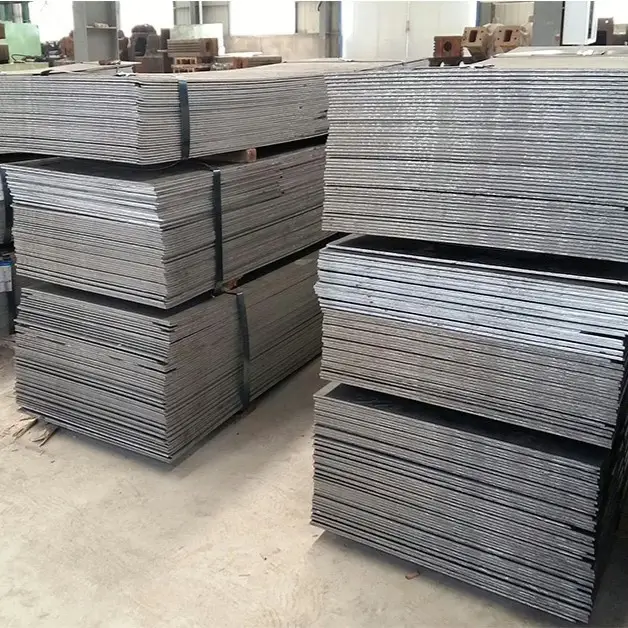
Aço rápido M2
O aço rápido M2 é um material ideal para punções de extrusão a frio. Quando tratado termicamente a 62-64 HRC, sua resistência à compressão pode ultrapassar 2068 MPa (300 ksi). Este material apresenta excepcional resistência ao desgaste, mantendo efetivamente a precisão dimensional durante a produção em larga escala, ao mesmo tempo que resiste à deformação plástica.
2. Aços para ferramentas de trabalho a frio (séries D e A)
Para compradores e engenheiros na área de conformação a frio, as escolhas mais comuns geralmente giram em torno de três materiais: AISI D2 (1.2379), AISI A2 (1.2363) e AISI O1 (1.2510).
O aço AISI D2 (1.2379) é um aço ferramenta para trabalho a frio com alto teor de carbono e cromo, que se destaca por sua excepcional resistência ao desgaste e ao amolecimento. Ele atinge a pontuação 8 em resistência ao desgaste e 2 em tenacidade. O D2 é a escolha ideal para matrizes de produção de alto volume e longa vida útil. É amplamente utilizado em matrizes de extrusão a frio, matrizes de estampagem e diversas lâminas de corte.
Quando as matrizes D2 apresentam lascamento ou fraturas durante o uso, o aço AISI A2 costuma ser a alternativa ideal. Ele obtém pontuação 6 em resistência ao desgaste e 5 em tenacidade, oferecendo uma combinação equilibrada dessas propriedades. O A2 é um aço versátil para conformação a frio que mantém boa resistência ao desgaste e resistência superior ao impacto em comparação com o D2, tornando-o adequado para aplicações um pouco mais exigentes.
O aço AISI O1, um aço ferramenta de baixo custo e temperável em óleo, permanece no mercado. Ele atinge 4 pontos em resistência ao desgaste e 8 em tenacidade. Embora a resistência ao desgaste do O1 seja inferior à do D2, sua tenacidade é excepcional. Se suas matrizes falham principalmente por fratura em vez de desgaste, ou se você precisa de um material ferramenta de baixo custo, o O1 oferece uma opção altamente econômica.
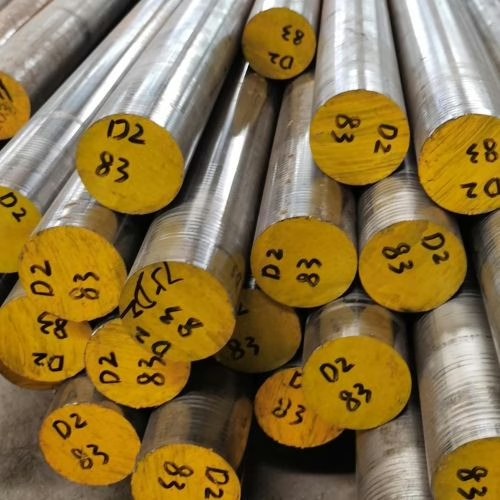
Aço ferramenta para trabalho a frio D2 | 1.2379 | SKD11
O aço ferramenta para trabalho a frio D2 combina alta resistência ao desgaste com excepcional resistência à compressão, tornando-o a escolha ideal para insertos de matrizes de extrusão. Este material oferece uma dureza de 60-62 HRC e excelente temperabilidade profunda; suas propriedades de endurecimento ao ar controlam eficazmente a distorção por tratamento térmico, garantindo que a matriz mantenha precisão dimensional estável e tolerâncias de precisão ao longo de ciclos de produção prolongados e de alto desgaste.
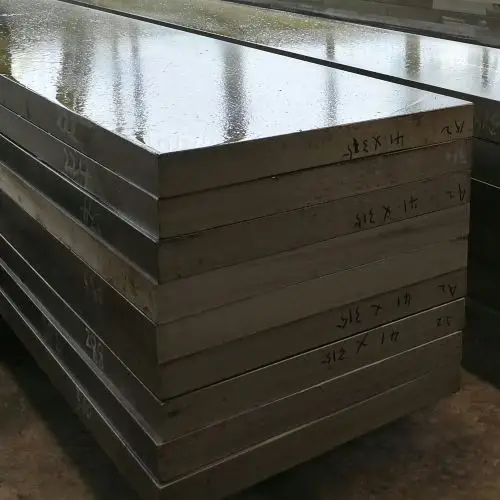
Aço ferramenta para trabalho a frio A2 | 1.2363 | SKD12
O aço ferramenta A2, de têmpera ao ar, combina alta tenacidade com resistência ao desgaste, tornando-o uma escolha ideal para punções e matrizes de extrusão. Sua dureza após têmpera varia tipicamente de 56 a 58 HRC, com alta temperabilidade e distorção extremamente baixa. Quando o aço D2 apresenta fratura frágil, o A2 é uma excelente alternativa: ele suporta tensões compressivas extremamente altas, ao mesmo tempo que previne eficazmente o lascamento sob cargas de impacto elevadas.
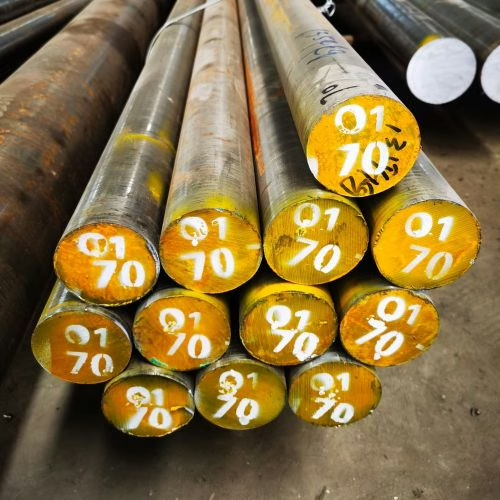
Aço ferramenta para trabalho a frio O1 | 1.2510 | SKS3
O aço ferramenta O1, endurecível em óleo, oferece uma solução econômica para matrizes de extrusão a frio de pequenos lotes. Com uma dureza de 58-62 HRC, ele equilibra resistência ao desgaste e tenacidade, tornando-o amplamente utilizado na fabricação de recipientes por estampagem e matriz.
3. Aços para trabalho a quente (Série H)
Em aplicações de extrusão a frio, a dureza é crucial, mas não o único fator. Quando as matrizes enfrentam ambientes de tensão extremamente complexos ou extrudam aços de alta resistência, uma dureza excessivamente alta pode causar fratura frágil instantânea. Nesses casos, é necessária uma estratégia diferente de seleção de materiais. Para obter a resistência à fratura necessária, sacrificando um pouco da resistência à compressão, recomendamos fortemente o uso de aços H11 ou H13. Esses aços absorvem a energia do impacto como molas, em vez de se estilhaçarem como vidro. Aços para ferramentas de trabalho a quente com médio teor de carbono, como o H11/H13, atingem uma classificação de tenacidade de 9.
O H11/H13 também serve a outro propósito. Para evitar a quebra de insertos caros de metal duro ou aço ferramenta de alta dureza dentro da matriz, um ou mais "anéis de contração" feitos de H11 ou H13 (1.2344) podem ser encaixados ao redor da parte externa dos insertos. Essa configuração é denominada matriz composta pré-tensionada. Aproveitando a expansão e contração térmica, os anéis de H11/H13 são aquecidos e encaixados sobre o inserto. Ao resfriar, isso cria uma pré-tensão interna significativa. Essa força neutraliza a tensão de tração externa durante a extrusão a frio, evitando rachaduras no inserto. Para essa aplicação, o H11/H13 não requer dureza extremamente alta; o tratamento térmico para 46-48 HRC geralmente é suficiente. Essa faixa de dureza garante excelente tenacidade e estabilidade estrutural.
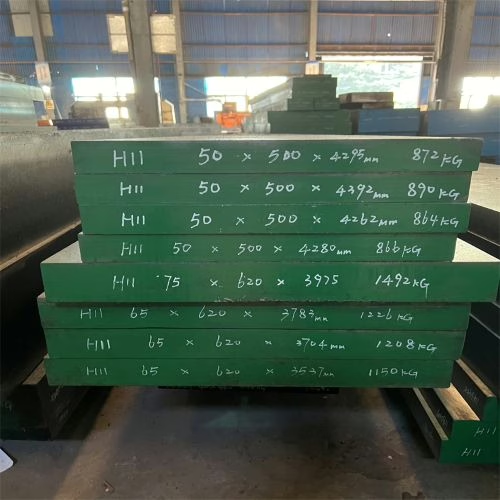
Aço para ferramentas H11 | 1.2343 | SKD6
O aço cromo H11 para trabalho a quente é um material complementar essencial para matrizes de extrusão a frio, cuja alta tenacidade previne eficazmente a fratura frágil repentina da matriz. Este aço é comumente utilizado na fabricação de anéis de contração e estruturas de matrizes com dureza de 46 a 52 HRC. Sua alta ductilidade permite suportar imensas pressões de ruptura. Em componentes de alta tensão que exigem resistência superior ao impacto, o H11 garante a integridade estrutural geral das ferramentas, superando a fragilidade inerente a materiais de alta dureza.
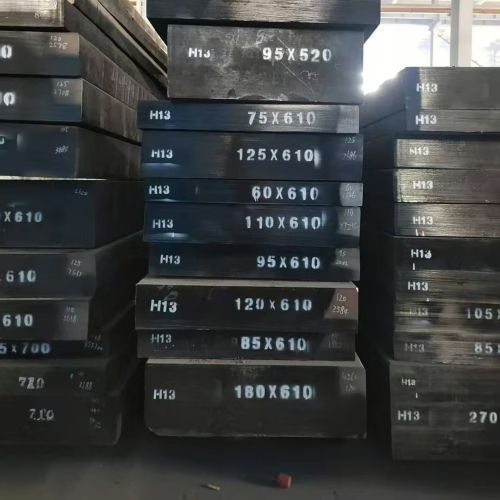
Aço para ferramentas H13 | 1.2344 | SKD61
O aço ferramenta H13 oferece alta tenacidade e ductilidade, tornando-o um material ideal para a fabricação de anéis de contração e alojamentos. Quando tratado termicamente a 44-48 HRC, este material suprime eficazmente a propagação de trincas sob altas cargas de impacto. O H13 apresenta excelente temperabilidade profunda e mantém tolerâncias dimensionais precisas por longos períodos sob tensões de ruptura extremamente elevadas.
Seleção de Aço para Ferramentas por Componente da Matriz
Cada matriz de extrusão a frio é um conjunto de dois grupos de aço. O inserto de trabalho absorve a pressão de conformação e o desgaste por deslizamento; a base da matriz, o contêiner, as peças de apoio, o anel de contração e o retentor suportam a carga e mantêm o inserto sob pré-tensão. Os dois grupos são selecionados com base em propriedades diferentes. Dureza e resistência ao desgaste determinam o inserto. Tenacidade e resistência de suporte determinam a estrutura ao seu redor.
| Componente de suporte | Aços-ferramenta recomendados | Requisito principal |
|---|---|---|
| Base da matriz | A2, S1, L6 | Resistência e suporte mecânico |
| Recipiente | A2, L6, H11, H13 | Suporte resistente e resistência a rachaduras |
| Peças de suporte reforçadas | S1, L6 | Resistência a impactos e tensões mecânicas |
| Anéis de contração e retentores | H11, H13 | Manter o inserto sob compressão e resistir à pressão de ruptura |
S1 é um aço para ferramentas resistente a choques para componentes expostos a cargas pesadas, impacto ou risco de trincamento, e L6 é escolhido quando a tenacidade é o requisito principal, como em bases de matrizes, contêineres e peças de suporte pesadas. Nenhum dos dois é um grau resistente ao desgaste, portanto não devem substituir M2, M4, T15, D2 ou D4 em insertos severos. O A2 é a opção intermediária, usada onde a peça de suporte ainda precisa de alguma resistência ao desgaste, mas de mais tenacidade do que o D2 oferece.
Anéis de contração e retentores são selecionados por um motivo diferente. H11 e H13 não são mais resistentes ao desgaste que M2 ou D2. Eles mantêm insertos frágeis de alta dureza sob compressão e reduzem o risco de ruptura sob pressão interna. O H13 adiciona resistência, tenacidade e temperabilidade profunda, razão pela qual também é usado para contêineres e carcaças a 44-48 HRC.
No lado do inserto, a série D cobre a maioria dos trabalhos de longa duração. O D2 é o padrão prático; D3 é selecionado quando o desgaste abrasivo é o modo de falha primário e o projeto da matriz já controla o risco de trincamento; o D4 é usado quando são necessárias maior dureza e resistência ao desgaste mais forte, com o mesmo requisito de bom suporte. O1 e O2 atendem à extrusão menos severa e ao trabalho em metais não ferrosos mais macios, onde as cargas são menores e o custo da ferramentaria importa mais do que a vida útil máxima da matriz. Nessas aplicações, A2, O1, O2 e D2 geralmente são suficientes, e o aço rápido não é necessário.
A seleção segue o modo de falha mais do que a lista de graus. Se o inserto se desgasta muito rápido, aumente a dureza e o teor de carbonetos (D2, D3, D4, M2, M4, T15). Se ele perde a forma sob pressão, a resistência à compressão é o limite (M2, M4, T15). Se ele lasca ou trinca, escolha o A2 e melhore o projeto de suporte da matriz e do anel de contração em vez de elevar ainda mais a dureza. Se o conjunto se rompe ou explode, a estrutura de suporte está fraca demais (H11, H13, S1, L6). A família completa de graus está listada no Aço Ferramenta para Trabalho a Frio página.
Tratamento térmico e melhoria de superfície
Nossos clientes já se depararam com a seguinte situação: matrizes que passam nos testes de dureza durante a inspeção de fábrica, porém, repentinamente, trincam logo após o início da operação da máquina. Isso provavelmente se deve à austenita retida. Durante o resfriamento rápido, se a austenita no aço não se transforma completamente em martensita, a porção remanescente é chamada de austenita retida. Essa fase é instável e se transforma espontaneamente em martensita frágil durante a operação da matriz, especialmente sob alta tensão ou impacto em alta velocidade. Essa transformação envolve expansão volumétrica, gerando imensas tensões internas na matriz que, em última instância, levam à fratura por fadiga.
Para aplicações de alta tensão, como matrizes de extrusão a frio, nunca realize apenas um ou dois ciclos de revenido para economizar custos. A prática padrão da indústria é o revenido triplo. Isso garante que a maior parte da austenita retida seja transformada com sucesso, eliminando a instabilidade interna na matriz.
Uma vez que o material base atinja resistência e tenacidade suficientes, também devemos aplicar uma camada protetora à matriz para suportar o desgaste extremo. A nitretação é o método de endurecimento superficial mais comum. Através deste processo, forma-se uma camada composta extremamente dura na superfície da matriz, aumentando ainda mais sua resistência ao desgaste.
| Componente da ferramenta | Classes de aço recomendadas (exemplos de seleção) | Dureza de Trabalho (HRC) | Ênfase principal na propriedade | Componentes de suporte |
|---|---|---|---|---|
| Punções | T15, M4, D4, M2 | 60–66 | Alta resistência à compressão/resistência ao desgaste | Haste do punção: A2, O1, S7 (56–58 HRC) |
| Inserções de matriz | T15, M4, D4, M2, D2, Carboneto | 58–66+ | Alta dureza/resistência ao desgaste | Anéis porta-matriz/retentores: H11, H13 (46–48 HRC) |
| Extrusão extremamente difícil | H11/H13 ou carboneto de tungstênio | 46–62+ | Resistência para evitar rachaduras |